Where you stay shapes a safari almost as much as which parks you visit. Wake up in a canvas tent with lions calling nearby, and the whole trip feels different from waking up in a stone-walled lodge with a pool view. Both are great. They’re just not the same thing. Choosing your Tanzania Safari Accommodation can feel confusing when every website uses the words “lodge”, “camp” and “tented camp” slightly differently. This guide explains what each one really means, what it costs relative to the others and who it suits, based on what our team in Arusha books for guests every week.
No option is “best” on its own. The right choice depends on your budget, your comfort level and how close to the wild you want to feel at night.
Safari Lodges
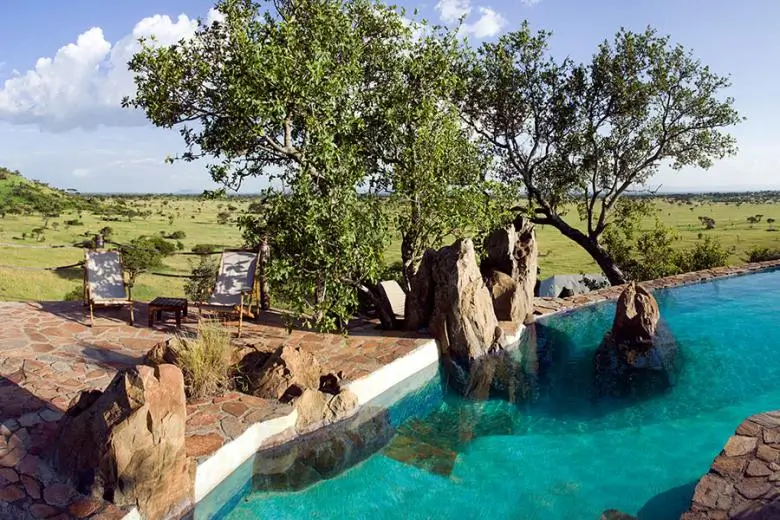
Lodges are permanent buildings, usually made of stone, brick or wood, often with a main dining area, bar, swimming pool and individual rooms or cottages. Many sit on hillsides or crater rims with sweeping views.
- What to expect: solid walls, proper beds, en-suite bathrooms, electricity most of the day and often Wi-Fi in communal areas.
- Size: larger lodges can have 50 to 100 rooms, so they feel more like hotels.
- Good for: families with young children, travellers nervous about sleeping in tents and anyone who wants familiar comforts.
- Downside: you can feel a little removed from the bush, and busy lodges lose some of the intimate atmosphere.
Some of Tanzania’s best-known lodges sit right on the rim of the Ngorongoro Crater, where the view at sunrise alone is worth the stay.
Permanent Tented Camps
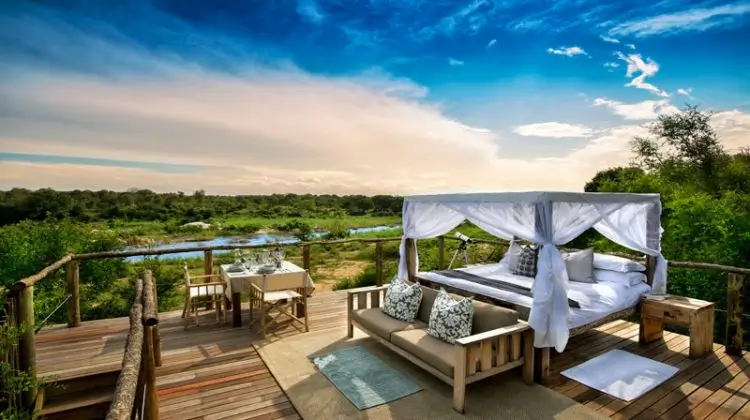
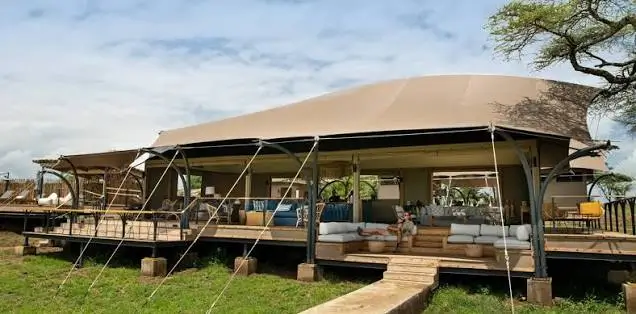
This is where most first-time visitors are pleasantly surprised. A “tent” here is nothing like a camping tent. It’s a large canvas room on a raised wooden platform, with real beds, furniture and usually a private bathroom with a flushing toilet and hot shower.
- What to expect: comfortable beds, en-suite bathrooms, solar lighting and charging in the tent or main area.
- Size: usually 8 to 20 tents, so the atmosphere is personal and staff get to know you.
- The magic part: you hear everything at night. Hyenas whooping, lions roaring in the distance, hippos grunting by the river.
- Good for: most travellers. It’s the classic safari experience without giving up comfort.
Mobile (Seasonal) Camps
Mobile camps move a few times a year to follow the Great Migration across the Serengeti. They’re set up close to where the herds are, so you spend less time driving and more time watching.
- What to expect: similar comfort to permanent tented camps, but bathrooms often use bucket showers (hot water brought on request) and eco-toilets.
- Location: calving grounds near Ndutu from January to March, the northern Serengeti from July to October.
- Good for: travellers who want front-row seats to the migration.
- Downside: fewer facilities, and some close during the rains.
For dates and locations of the herds, our Great Migration experience page explains where to be and when.
Camping Safaris
On a camping safari, you sleep in dome tents at public or special campsites inside or near the parks. Your crew sets up camp, cooks meals and packs everything down again.
- What to expect: simple tents with sleeping mats or camp beds, shared toilet and shower blocks at public campsites, and meals cooked over gas or fire.
- Good for: adventurous travellers, backpackers and anyone wanting the most budget-friendly way to see the same parks.
- Downside: facilities are basic, and nights can be cold, especially near Ngorongoro.
Our 7-day camping safari is a great option if you like the idea of sleeping under the stars with everything handled for you.
Lodges vs Tented Camps vs Camping: A Quick Comparison
| Feature | Lodge | Tented Camp | Mobile Camp | Camping |
|---|---|---|---|---|
| Structure | Permanent building | Canvas on fixed platform | Canvas, moved seasonally | Dome tent |
| Bathroom | Private en-suite | Private en-suite | Private, bucket shower | Shared block |
| Feel of the bush | Lower | High | Very high | Very high |
| Typical size | 30 to 100 rooms | 8 to 20 tents | 6 to 12 tents | Varies |
| Relative cost | Mid to high | Mid to high | High | Low |
| Best for | Families, comfort seekers | Most travellers | Migration lovers | Budget and adventure |
Understanding Comfort Levels: Budget, Mid-Range and Luxury
Each accommodation type comes in different comfort levels. Knowing roughly what you’ll get at each one helps avoid surprises.
Budget
Simple, clean rooms or tents, often just outside park boundaries to save on fees. Meals are good but straightforward. Our budget-friendly tours use carefully chosen camps where value doesn’t mean a poor experience.
Mid-Range
Comfortable lodges and permanent tented camps inside or close to the parks. Expect en-suite bathrooms, a pool at many lodges and a good balance of price and location. This is what most of our guests choose. Our 4-day mid-range safari is a good example.
Luxury
Small, exclusive camps and lodges with spacious suites, private decks, plunge pools, gourmet food and excellent service. Many are in prime wildlife areas with very few other vehicles nearby. Our luxury and exclusive safaris pair these properties with private vehicles.
How Location Changes Your Safari
Where your accommodation sits matters as much as what it looks like.
- Inside the park: you can start game drives at sunrise without waiting at the gate, and you’re closer to the action.
- Outside the park: usually cheaper, but you’ll spend time driving in and out each day.
- On the crater rim: breathtaking views and quick access to the Ngorongoro Crater floor at dawn.
- Near water: camps by rivers or waterholes often bring wildlife right to your doorstep, particularly in Tarangire during the dry season.
What a Night in a Tented Camp Is Really Like
For many guests, the first night under canvas is the part they remember most. Here’s roughly how it goes:
- Sundowners: after the afternoon drive, drinks by the campfire as the sky turns orange.
- Dinner: usually three courses, served in the main tent or under the stars. Most camps happily cater for vegetarian, vegan and gluten-free diets with notice.
- Escort to your tent: a member of staff walks you back with a torch. Many camps give you a radio or whistle in case you need anything during the night.
- The night sounds: it’s rarely silent. Zebras barking, a distant lion, insects everywhere. Light sleepers might want earplugs, though most people find the sounds thrilling.
- Wake-up call: tea or coffee delivered to your tent before sunrise, ready for the morning drive.
It’s comfortable, safe and surprisingly cosy. Hot water bottles appear in your bed on cold nights at many camps, which is a lovely touch near Ngorongoro.
Tips for Choosing the Right Accommodation
- Mix and match. Many guests combine a lodge for the first night or two with a tented camp in the Serengeti. It’s a gentle way to ease into bush life.
- Stay two nights per place. You’ll unpack once and get a proper feel for each property.
- Check age limits. Some tented camps don’t accept children under 6 or 8. Our family safaris use properties that welcome kids.
- Ask about charging. Remote camps often only charge devices in the main area or at set times.
- Book early for peak season. The best camps for July to October fill up many months ahead.
- Honeymooners, ask for the end tent. It’s usually the most private. Our honeymoon and couples safaris include romantic, secluded stays.
If you’re curious about public campsites and park facilities, the Tanzania National Parks website has official information. For a wider overview of parks and tour styles, see our guide to safari tours in Tanzania.
Frequently Asked Questions
Are tented camps safe?
Yes. Staff are trained, tents are zipped at night, and guests are escorted after dark. Animals see the tent as a solid object and don’t try to get in.
Do safari lodges and camps have Wi-Fi?
Most lodges and many camps have Wi-Fi in the main area, though it can be slow. Remote mobile camps may have none at all, which many guests secretly enjoy.
Which type of accommodation is best for a first safari?
A mix of a lodge and a permanent tented camp is ideal. You get comfort plus the real sounds of the bush at night.
Find the Right Place to Stay on Safari
Kilimora Adventure is based in Usa River, Arusha, and plans safaris from 2 to 11 days with lodges, tented camps and camping options to suit every budget. Tell us how you like to travel, and we’ll match you with properties you’ll love waking up in.
+255 796 440 555 · +255 762 008 009 · info@kilimoratz.com
Leave a Reply