Tanzania safari cost is usually the first question travellers ask, and the hardest one to get a straight answer to. Quotes can range from $200 a day to well over $1,000, often for trips that look similar on paper. Here’s what actually drives that number, and what a fair, transparent quote should include before you compare two operators side by side.
What Drives Tanzania Safari Pricing
A handful of factors explain most of the price difference between quotes:
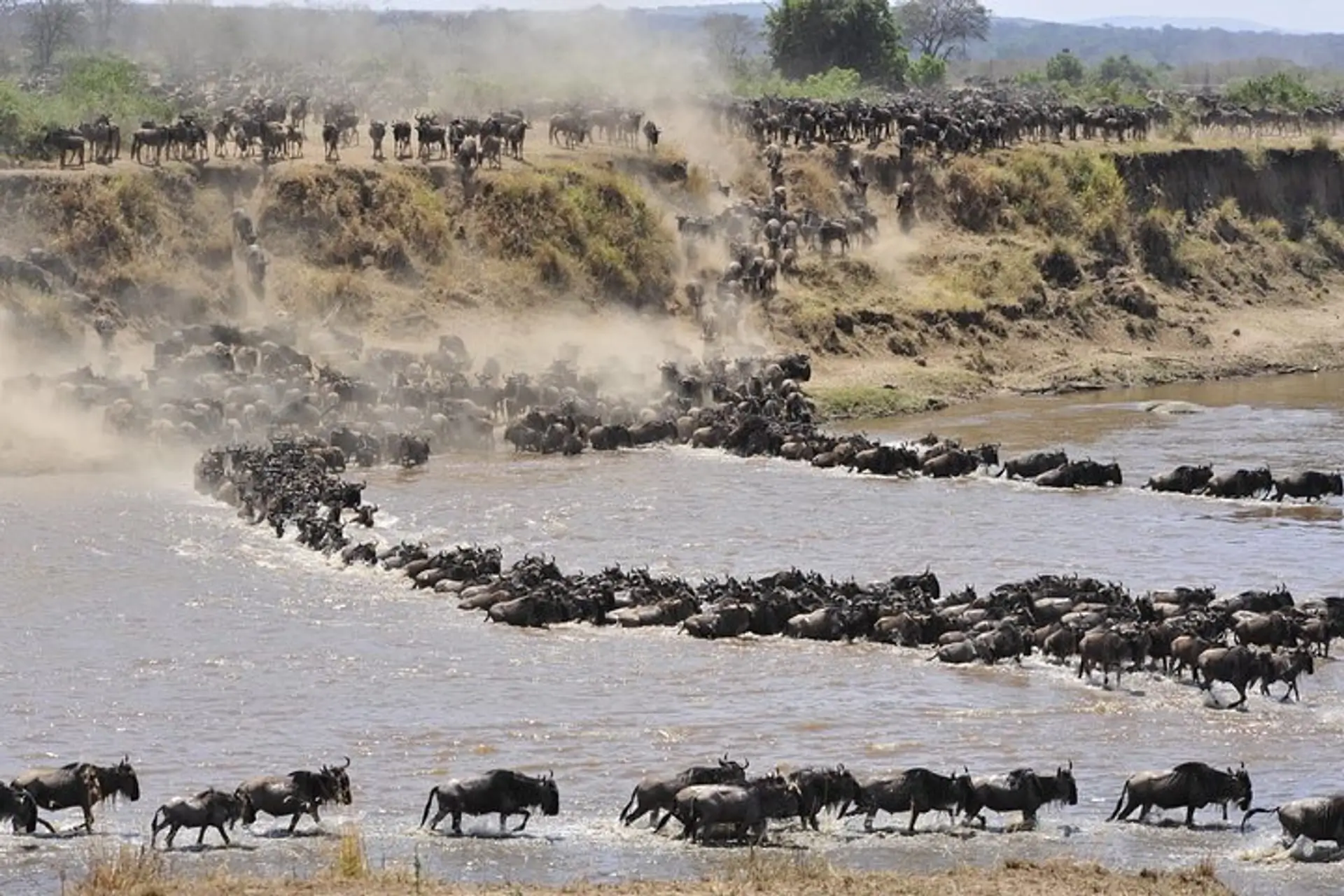
● Season — the dry season (June–October) and calving season (January–March) cost more than the shoulder months, because demand for camps and vehicles goes up
● Accommodation tier — permanent tented camps and lodges cost more than simpler options, and luxury camps cost significantly more again, sometimes several times over
● Private vs. group vehicle — a private 4×4 with your own guide costs more per person than a shared truck split among strangers
● Park fees and permits — these are set by the Tanzania National Parks Authority and don’t change from operator to operator, but some companies bury them in the total instead of listing them separately, which makes comparing quotes harder than it should be
Typical Daily Cost Ranges
These are rough per-person ranges, based on double occupancy, for a private safari:
● Value tier: $200–$350/day — simpler tented camps or lodges, smaller vehicles, straightforward routing between two or three parks
● Mid-range tier: $350–$600/day — comfortable camps with better locations closer to key wildlife areas, private vehicle, more flexible itinerary
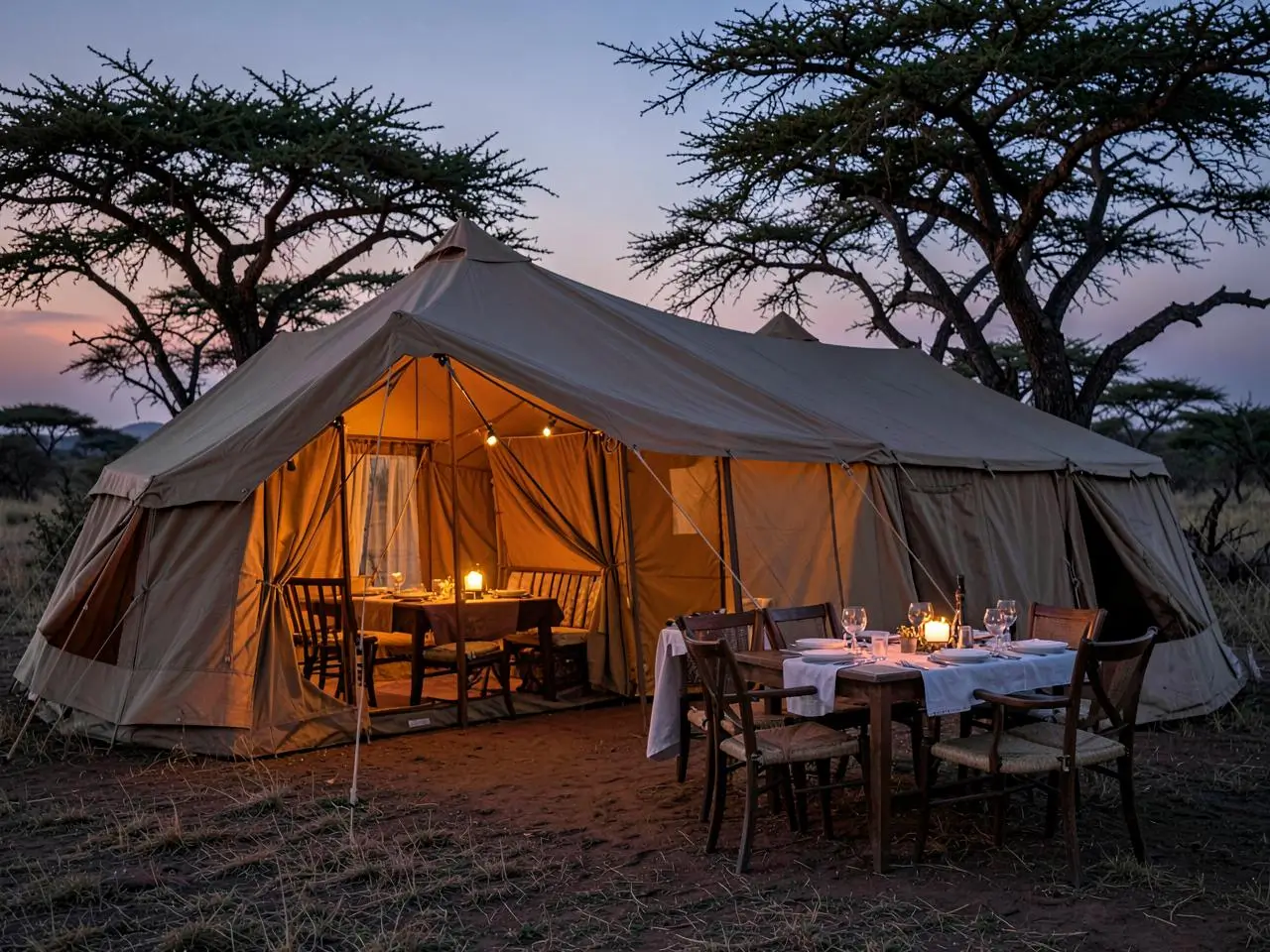
● Luxury tier: $600+/day — premium camps or lodges, private guide and vehicle, extras like bush meals, sundowners, or fly-in transfers between parks
Many travellers search for a cheap Tanzania safari, but the more useful question is what you’re actually getting for that price. A trip that looks affordable on the surface can end up costing about the same as a mid-range option once missing park fees or an unexpected shared vehicle get factored in.
What’s Usually Included vs. What Costs Extra
Most quotes include accommodation, meals at the camp, game drives, park entry fees, and a guide. What’s often separate:
● International and domestic flights
● Visa fees — currently required for most international visitors entering Tanzania, and worth checking well ahead of your trip
● Tips for guides and camp staff
● Alcoholic drinks and premium beverages at lodges
● Travel insurance, which is worth having regardless of which operator you book with
Ask for these to be spelled out before you compare two quotes side by side. “All-inclusive” means different things to different companies, and it’s a fair question to ask exactly what that phrase covers.
Why the Cheapest Quote Often Isn’t the Best Value
A lower price usually comes from somewhere. It might mean an older vehicle, a bigger group sharing the cost, simpler camps further from the parks, or park fees added on after the fact. None of these are dealbreakers on their own, but they should be a choice you’re making on purpose, not a surprise that shows up halfway through the trip.
How Kilimoratz Structures Transparent, All-In Pricing
Kilimoratz quotes park fees, accommodation, meals, and guide fees as a single, itemized number, so there’s no guessing at what’s extra once you’ve arrived. Every itinerary is built for your group specifically rather than assembled from a fixed package, which is part of why pricing varies from trip to trip. You can see the range of trip styles, from wildlife safaris to fully private and luxury itineraries, and request a quote built around your dates and preferences.
Sample Cost Breakdown: 5–7 Day Private Safari
For a mid-range, 6-day private safari covering Tarangire, Lake Manyara, Ngorongoro, and the Serengeti, the total generally breaks down something like this:
● Accommodation and meals: roughly 60% of total cost
● Guide, vehicle, and fuel: roughly 20%
● Park fees and permits: roughly 15%
● Miscellaneous costs, including transfers and conservation fees: roughly 5%
Exact numbers shift with season and camp choice, but this breakdown gives a realistic sense of where the money actually goes, rather than treating the total as one unexplained lump sum.
Questions to Ask Any Operator About Hidden Fees
Before you sign off on a quote, ask directly:
1. Are park fees and conservation fees included in this total, or added separately?
2. Is this a private vehicle, or will I be sharing with other travellers?
3. What happens if the itinerary needs to change once we’re in Tanzania?
4. Are airport transfers included, both arrival and departure?
5. Is a deposit refundable, and under what conditions?
A confident, specific answer to each of these is a good sign. A vague one, or a change of subject, is worth following up on before you commit any money.
A Note on Currency and Payment
Most Tanzania safari quotes are priced in US dollars, even though the local currency is the Tanzanian shilling. Deposits are typically paid by bank transfer or card, with the balance due closer to your travel date. Ask any operator to confirm their exact terms in writing, including whether card payments carry a processing fee, so there are no surprises when the final invoice arrives.
Ready to see real numbers for your trip? Speak with our local safari experts to build your perfect itinerary.
For the full picture of what makes an operator trustworthy beyond just price, see our guide on choosing the best safari tour operators in Tanzania.