
Arusha gets called the “safari capital of East Africa” for good reason. It sits right in the middle of some of the most extraordinary wildlife terrain on the continent — Ngorongoro, Tarangire, the Serengeti, and Lake Manyara are all within reach. If you’re planning Tanzania safari tours from Arusha, you’re not just booking a trip. You’re stepping into a part of the world where the wildlife genuinely surprises you.
Here’s what’s actually out there — and what to expect when you go.
Why Arusha is the Starting Point for Most Tanzania Safaris
Arusha sits at the foot of Mount Meru in northern Tanzania, about an hour’s drive from Kilimanjaro International Airport. Nearly every major wildlife destination in the northern circuit passes through it. That makes it the natural base for anyone doing a Tanzania safari — whether you’re planning two days or two weeks.
The roads north and west of Arusha open up quickly into open savannah, highland craters, and acacia woodland. You don’t have to travel far before the landscape shifts entirely.
The Wildlife Parks You Can Reach from Arusha
Ngorongoro Conservation Area
The Ngorongoro Crater is one of the few places in Africa where you can see the Big Five in a single day — and it genuinely happens. The crater floor is a self-contained ecosystem: lions, elephants, buffalo, and black rhino (one of the rarest sightings in the region) all live within a 260 sq km space.
What makes it different:
- The black rhino population here is one of the last viable ones in Tanzania
- Flamingos gather at Lake Magadi on the crater floor, often in their thousands
- The crater walls trap a unique microclimate — you’ll often drive through cloud on the descent
Tarangire National Park
Tarangire doesn’t get the same attention as Serengeti but it probably should. Between July and October, it has one of the highest concentrations of elephants anywhere in Africa — herds of 200 or more aren’t unusual.
What to look for in Tarangire:
- Giant baobab trees, some over 1,000 years old, scattered across the landscape
- Large migratory elephant herds gathering near the Tarangire River
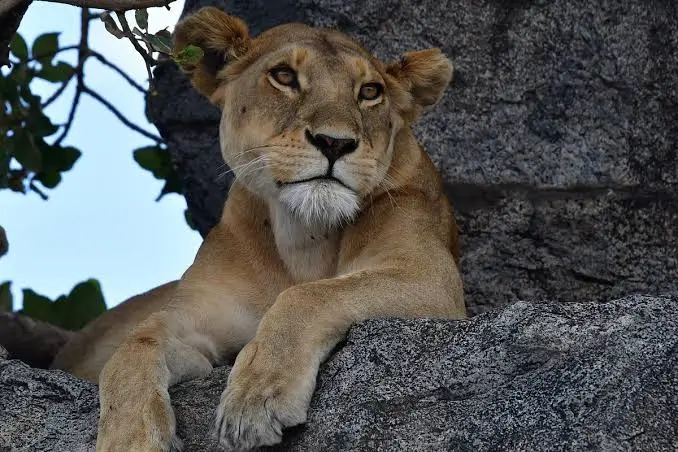
- Tree-climbing lions, which are spotted here more often than most other parks
- A quieter, less crowded experience compared to the busier parks
The Serengeti
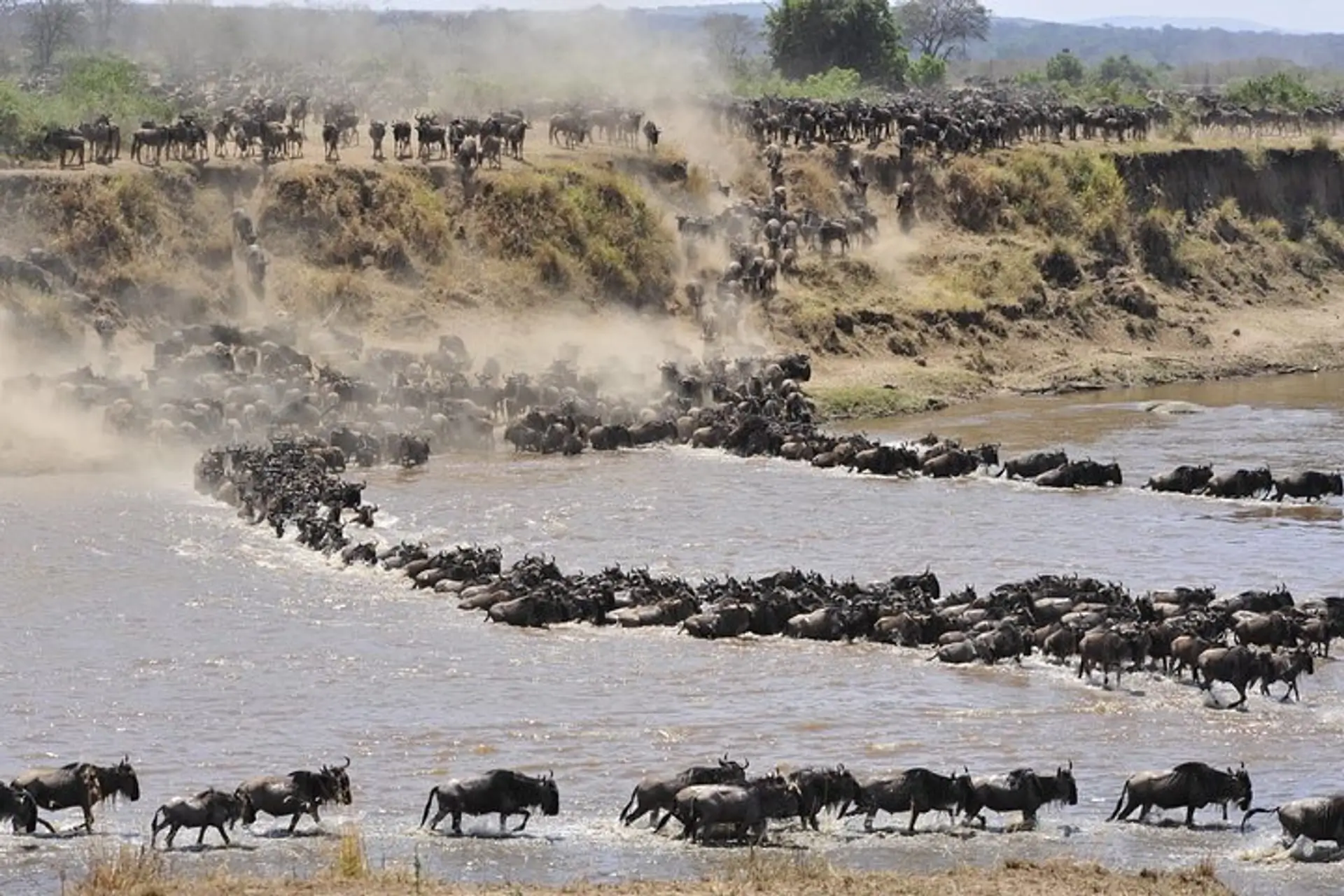
A day trip from Arusha to the Serengeti takes around five to six hours by road, which is why most visitors opt for a multi-day safari rather than a rushed day visit. The northern Serengeti — closest to Arusha — is where you’ll catch the tail end of the Great Migration between July and October, with river crossings at the Mara River that are genuinely unlike anything else.
Serengeti highlights:
- The wildebeest migration (over 1.5 million animals move through annually)
- Cheetah sightings on the open plains — the terrain here is ideal for them
- Night drives are available in some private conservancies bordering the park
Lake Manyara National Park
If you want a half-day add-on to a longer safari, Lake Manyara is worth it. It’s compact but surprisingly varied — dense forest, open floodplain, and the lake itself.
- Famous for tree-climbing lions (yes, this is one of only two places in the world where they do this regularly)
- Large flocks of flamingos along the lakeshore
- Excellent birdwatching with over 400 species recorded in the park
Arusha National Park
This one’s easy to overlook because it sits just 25km from town. But Arusha National Park is worth at least a half day, especially if you’re short on time. Giraffes, zebras, buffalos, and colobus monkeys are common sightings. You can also walk some trails here with an armed ranger — most parks don’t allow that.
Parks Near Arusha Compared
Every park on this list works as part of a trip from Arusha, but they don’t all suit the same plans. Use this as a rough guide when you decide how many days to book. Park fees change from year to year, so check current rates on the Tanzania National Parks (TANAPA) website before you set a budget.
| Park | Distance from Arusha | Best For | Time Needed |
|---|---|---|---|
| Arusha National Park | About 25km, under an hour | Giraffes, colobus monkeys, walking safaris | Half day |
| Lake Manyara National Park | Around 2 hours by road | Tree-climbing lions, flamingos, birdwatching | Half day to 1 day |
| Tarangire National Park | Around 2 to 2.5 hours by road | Elephant herds, baobab trees, quieter game drives | 1 to 2 days |
| Ngorongoro Conservation Area | Around 3 to 4 hours by road | Big Five in one day, black rhino | 1 day |
| The Serengeti | Around 5 to 6 hours by road | Great Migration, cheetahs, Mara River crossings | 2 days or more |
When to Go
The best time for Tanzania safari tours from Arusha depends on what you want to see:
| Season | Best For |
|---|---|
| June – October (dry season) | Big Five sightings, river crossings, elephant herds |
| November – March (green season) | Bird migration, baby animals, quieter parks, lower prices |
| April – May | Heaviest rains — some lodges close, but landscapes are spectacular |
The dry season gives you the easiest game viewing because animals concentrate near water sources. The green season has its own appeal — the parks are less busy and the vegetation is dramatic.
What a Typical Day on Safari Looks Like
Most Tanzania safari tours from Arusha follow a similar rhythm:
- Early morning game drive (6–10am): This is when predators are most active. Lions are often spotted before 8am
- Return to camp for breakfast and rest: Midday heat slows animal movement significantly
- Afternoon game drive (4–7pm): The light is better for photography, and animals become active again
- Evening at camp: Most camps are tented lodges — open-sided, lit by lanterns, with the sounds of the bush around you
Booking Tanzania Safari Tours from Arusha
If you’re looking at options, Kilimora Adventure runs guided Tanzania safari tours from Arusha across all the parks covered above — from short two-day circuits to longer northern Tanzania routes. Their team is based in Arusha, which means local knowledge rather than a generic itinerary built from a spreadsheet.
The difference between a good safari and a forgettable one usually comes down to the guide. Someone who grew up watching these animals, who knows which termite mound the cheetah uses at dawn, who takes a different route because they spotted something on the way in — that’s what makes it worth the trip.
Plan Your Safari from Arusha
Tell us how many days you have, which parks you’d like to see, and when you’re travelling. Our team in Arusha will put together a route that fits, whether that’s a quick crater trip or a full loop of the northern circuit.
Customize Your Safari