Tarangire National Park is famous for its high density of elephants and iconic baobab trees. It is named after the Tarangire River, which flows through the park and serves as the only source of water for wildlife during the dry season.
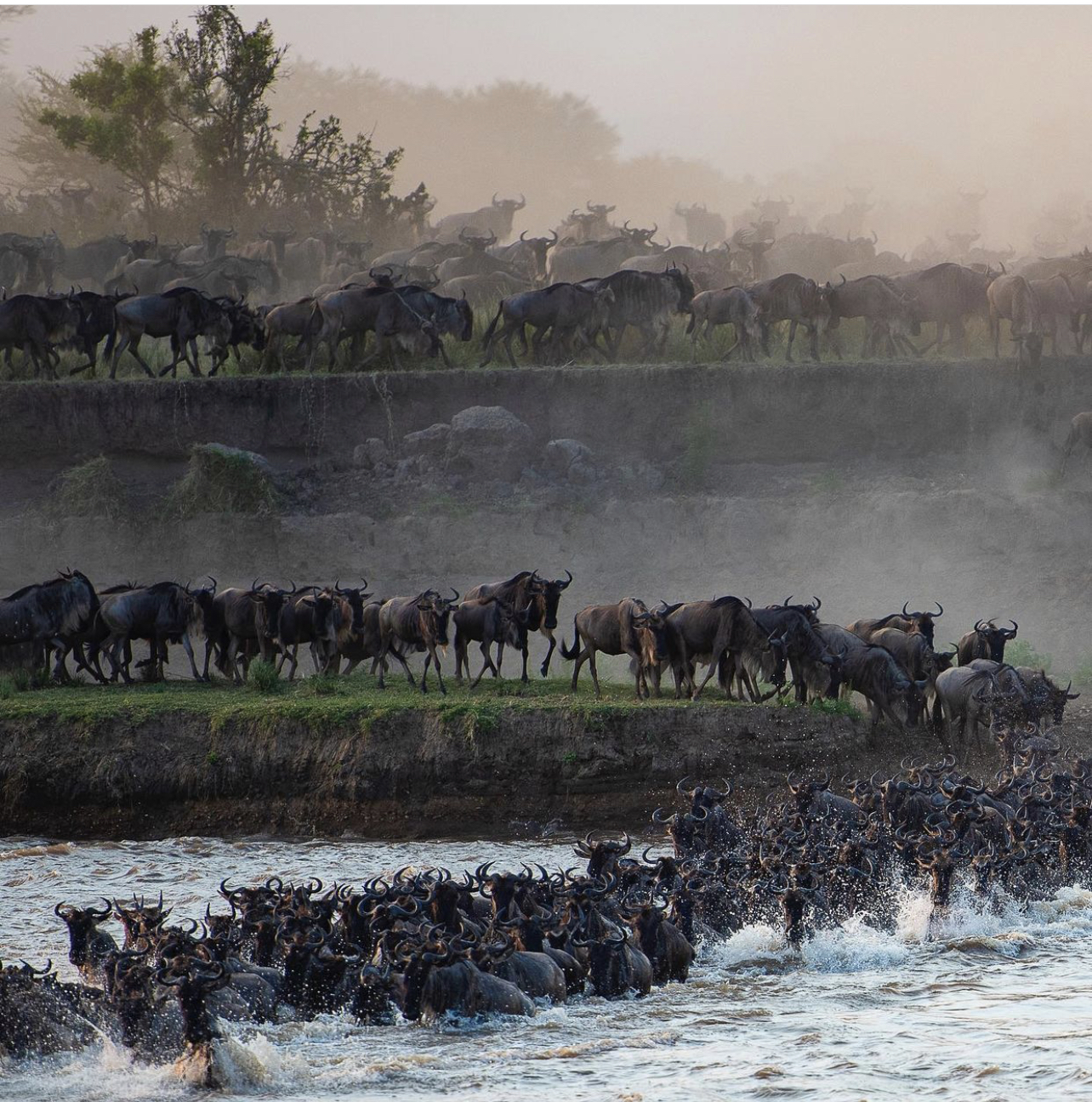
During the dry season (June to October), thousands of animals migrate to the park from the surrounding Maasai Steppe, making it a spectacular destination for game viewing, second only to the Serengeti.
Witness herds of up to 300 elephants digging for water in the riverbed.
Ancient "upside-down trees" dot the landscape, some over 1000 years old.
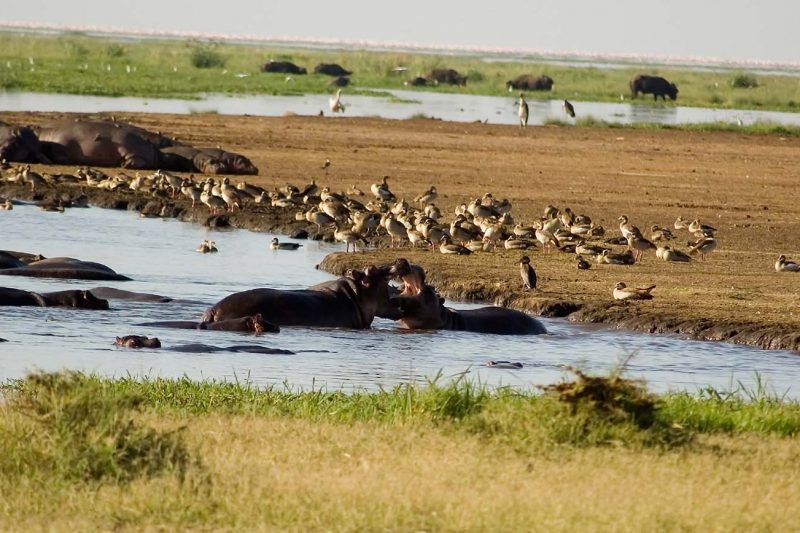
The lifeline of the park, attracting diverse wildlife in the dry season.
Home to over 550 bird species, including the endemic Ashy Starling.
Lions, leopards, and cheetahs are regular sightings around the river.
Tarangire, Serengeti, Ngorongoro Crater, Lake Manyara
Ndutu, Ngorongoro, Central Serengeti, Serengeti National Park
Tarangire National Park, Ndutu, Ngorongoro, Central Serengeti, Serengeti National Park
Tarangire, Ngorongoro, Ndutu Ngorongoro, Central Serengeti, Serengeti National Park
| High Season | July to March (northern circuit parks; can be crowded), July to October (southern and western circuit parks; much quieter that northern circuit generally) |
|---|---|
| Low Season | April and May (northern circuit parks still get quite busy, unlike the southern and western circuit parks, where some lodges close temporarily) |
| Best Weather | June to October (Dry Season with scarce rain) |
| Worst Weather | March and April (Peak of Wet season – some roads inaccessible) |