Ask most people to name a Tanzania safari destination and you’ll hear the Serengeti, maybe Ngorongoro. Almost nobody says Ruaha. That’s a shame, because Ruaha National Park is the largest national park in Tanzania, it holds some of the biggest predator numbers in East Africa, and on a good day you can drive for an hour without seeing another vehicle.
It’s in the south-central part of the country, away from the busy northern circuit, which is exactly why it stays quiet. If you’ve done a Serengeti trip already, or you just don’t want your lion sighting shared with fifteen other jeeps, Ruaha deserves a serious look.
Why So Few People Go to Ruaha
Mostly it comes down to distance. Ruaha sits roughly 130 km west of Iringa town, and the drive from Dar es Salaam takes the better part of a day. Most first-time visitors fly into Kilimanjaro, base themselves in Arusha and stick to the northern parks, so Ruaha never makes the shortlist.
Lodges are fewer and spread out, too. There’s no long strip of camps along the main roads the way you find in the central Serengeti. For some travellers that’s a drawback. For a lot of others, it’s the whole reason to come.
What You’ll Actually See in Ruaha
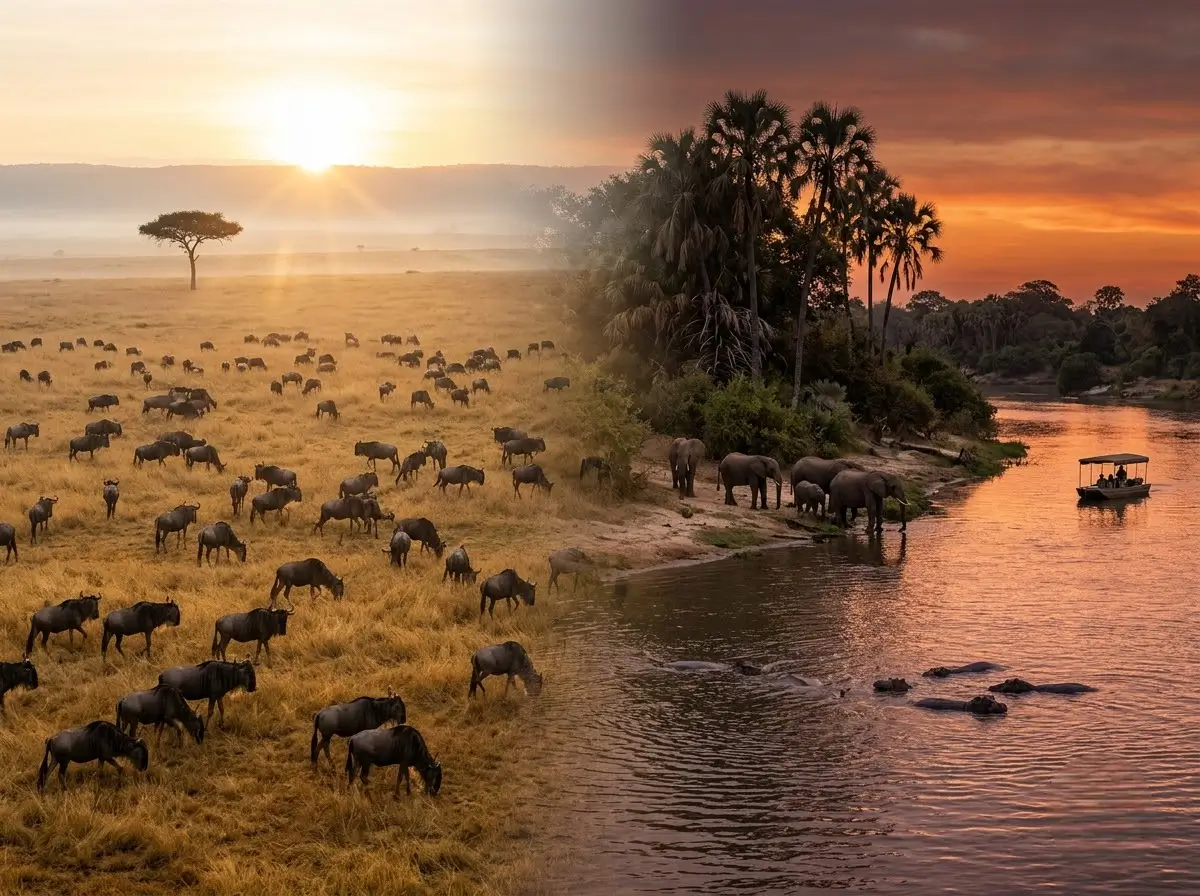
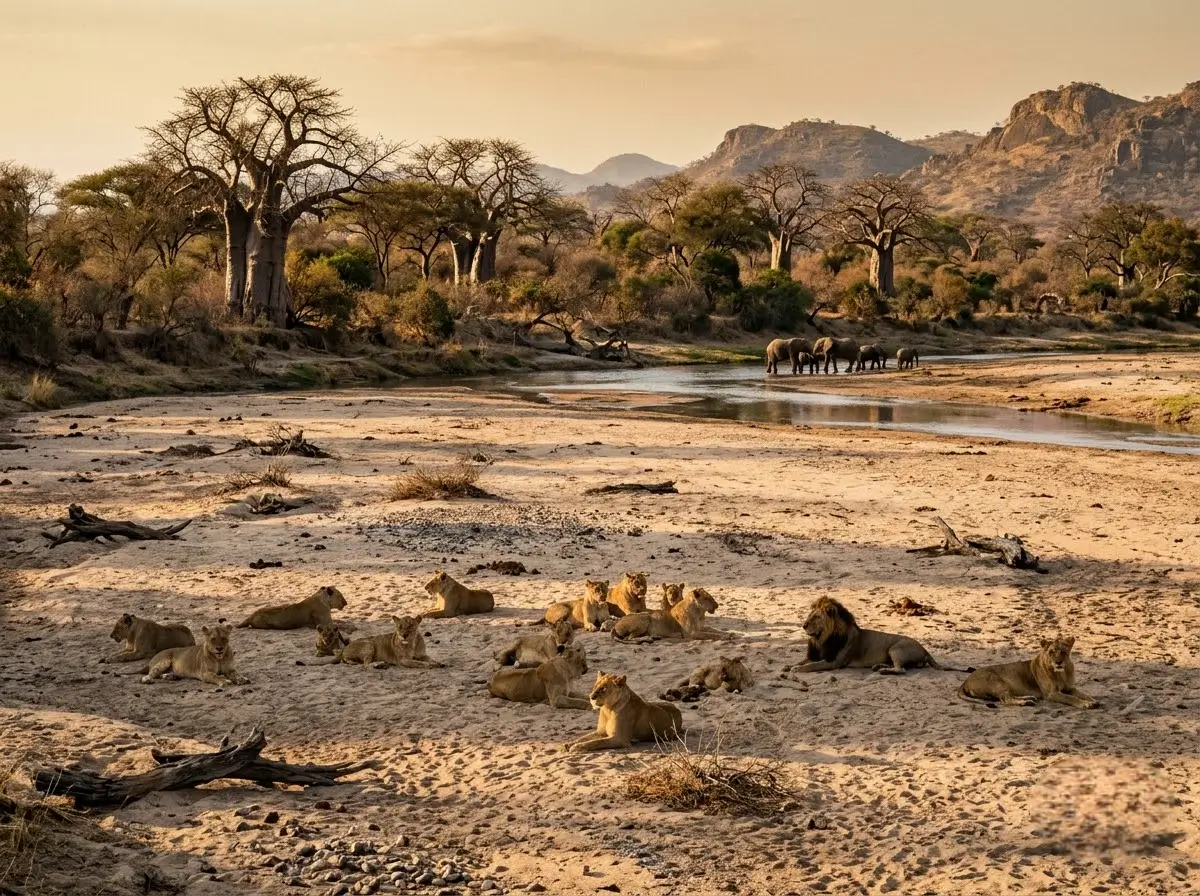
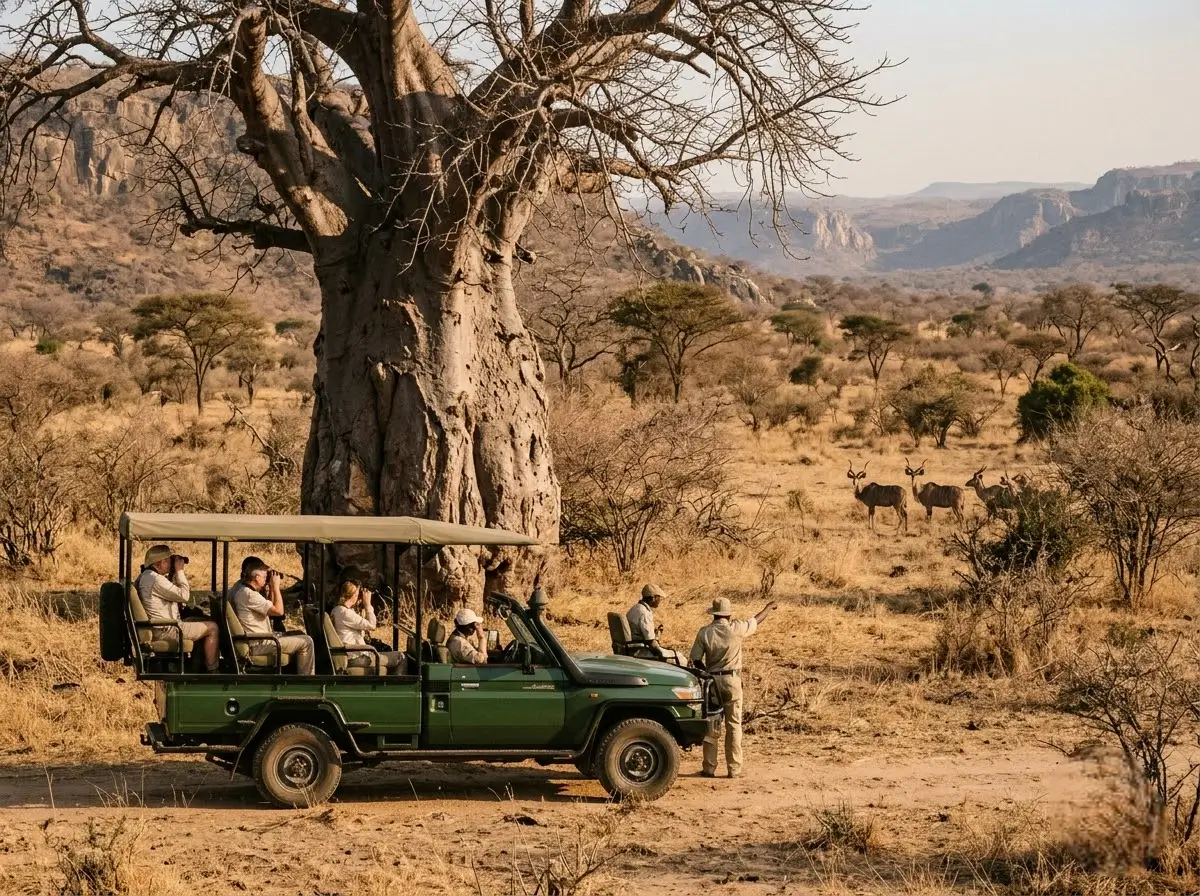
The Great Ruaha River runs along the eastern edge of the park, and in the dry season it shrinks to a string of pools. Animals have to come to the water, and predators know it. The landscape is a mix of rocky hills, sand rivers, miombo woodland and some of the biggest baobab trees you’ll see anywhere in Tanzania.
Big cats in big numbers
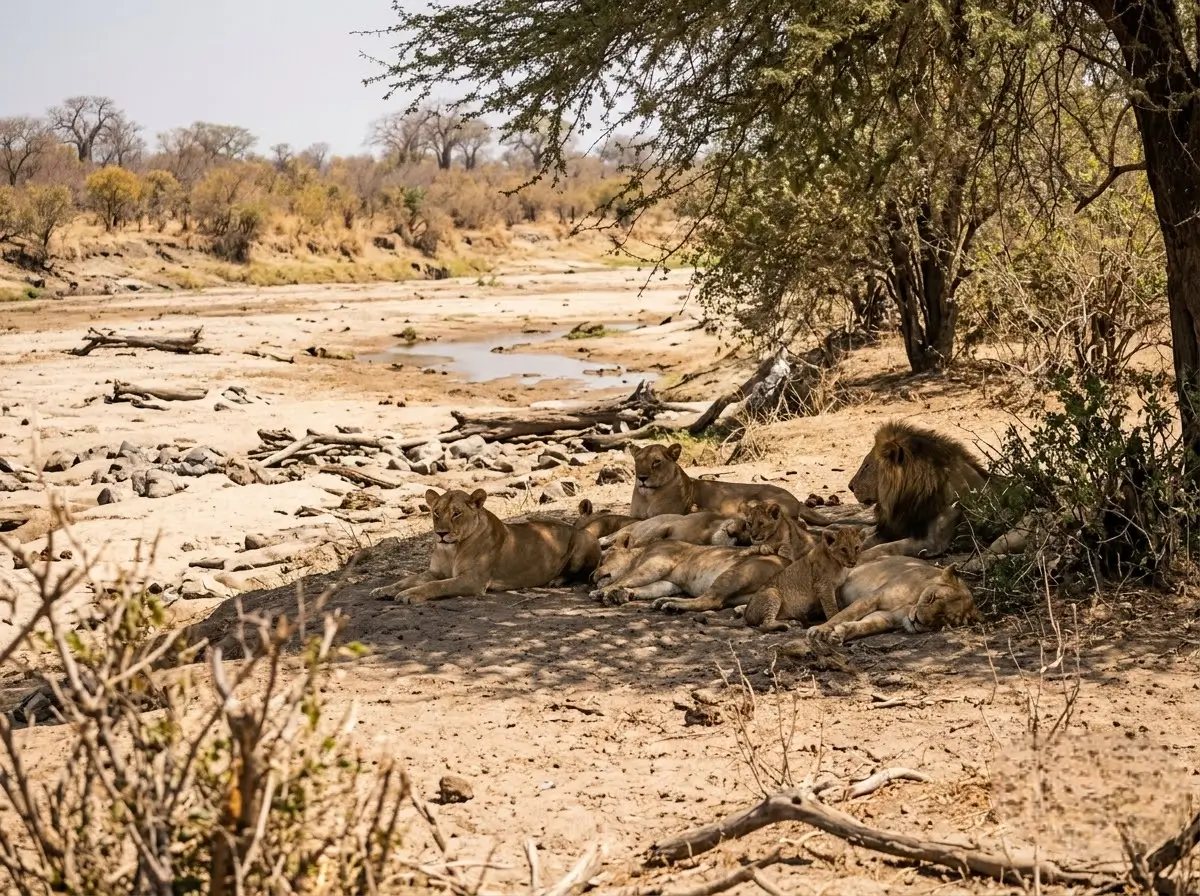
Ruaha’s wider landscape is often cited as home to around a tenth of Africa’s remaining lions, and the prides here are large. Twenty or more lions together isn’t unusual. Leopards are around too, though shy, and cheetahs turn up on the more open plains in the north of the park.
Wild dogs
African wild dogs are endangered and hard to find almost everywhere. Ruaha is one of the better places in Tanzania to try. Sightings are never guaranteed, but the guides here track packs with real persistence, and when it happens it tends to be the moment people talk about for years.
Animals you won’t see up north
Ruaha sits where East and Southern African habitats overlap, so the species list is a little different from the Serengeti’s:
- Greater and lesser kudu, both in the same park
- Sable and roan antelope, which are rare on the northern circuit
- Large elephant herds feeding along the river and stripping baobab bark in the dry months
- Over 570 recorded bird species, which makes the wet season surprisingly rewarding for birders
Ruaha vs Serengeti: A Quick Comparison
Neither park is “better.” They suit different trips. If you want the migration and easy logistics, the Serengeti is hard to beat. If you want space and a wilder feel, Ruaha wins. Here’s how they stack up:
| Factor | Ruaha National Park | Serengeti National Park |
|---|---|---|
| Location | South-central Tanzania, near Iringa | Northern Tanzania, reached from Arusha |
| Size | Around 20,000 sq km, the largest park in Tanzania | Around 14,750 sq km |
| Crowds | Very low, even in peak season | Busy at popular sightings, especially July to October |
| Headline wildlife | Big lion prides, wild dogs, kudu, sable, elephants | Great Migration, river crossings, cheetahs on open plains |
| Walking safaris | Widely offered with armed rangers | Limited, mostly in bordering areas |
| Best time | June to October | Year-round, depending on migration position |
| Getting there | Light aircraft to Msembe airstrip, or a long road trip via Iringa | Drive from Arusha or short flights to several airstrips |
When to Go
June to October is the dry season and the best time for game viewing. Grass dies back, the river shrinks, and animals gather around the remaining water. September and October get hot, but that’s also when predator action peaks.
November to April is green season. The park turns lush, migrant birds arrive and rates drop. Some camps close during the heaviest rains around March and April, and a few tracks become difficult, so check before you book.
How to Get to Ruaha
- By air: scheduled light-aircraft flights land at Msembe airstrip inside the park, with connections from Dar es Salaam, Arusha and Zanzibar. This is the easiest option for most visitors.
- By road: drive to Iringa, then roughly three hours on to the park gate. It’s a long day from Dar es Salaam, but you see a lot of rural Tanzania along the way.
- As part of a southern circuit: many people pair Ruaha with Nyerere National Park (formerly Selous) for a varied 7 to 10 day trip.
Is Ruaha Right for You?
Ruaha suits you if you’ve been on safari before and want something less polished, if you care more about long sightings than ticking off a list, or if walking safaris appeal to you. It’s also good for photographers, who can sit with a lion pride for an hour without jostling for position.
It may not suit a very short trip. With travel time factored in, give Ruaha at least three nights. If you only have a few days in total, the northern parks will probably give you more for your time.
Plan Your Ruaha Safari With Kilimora
Kilimora Adventure is based in Tanzania and builds safaris around how you want to travel. Tell us your dates and interests, and we’ll put together a Ruaha trip, or combine it with the Serengeti, Ngorongoro or Zanzibar.