Every safari leaves a footprint. The money you spend, the camps you choose, how your vehicle behaves at a sighting and how you treat the people you meet all add up. Done well, tourism pays for rangers, protects habitats and creates good jobs for local families. Done badly, it crowds animals, wastes water and leaves communities with very little. Responsible Tourism in Tanzania isn’t about giving up comfort or feeling guilty. It’s about making a few thoughtful choices that keep the parks wild and make sure the people living around them benefit too. Here’s what our team in Arusha has learnt about doing that well.
The good news is that most of these choices are easy. Many actually make your trip better.
How Tourism Supports Conservation
Park fees are one of the biggest costs of a Tanzania safari. They’re also one of the most important. A large share of that money goes back into running and protecting the parks.
- Rangers and anti-poaching: fees help pay for the people who patrol the parks and protect species like black rhino and elephant.
- Habitat protection: tourism income gives governments and communities a reason to keep land wild rather than turning it into farmland.
- Research and monitoring: some funds support wildlife studies and disease control.
- Community projects: a portion is shared with nearby villages for schools, clinics and water supplies.
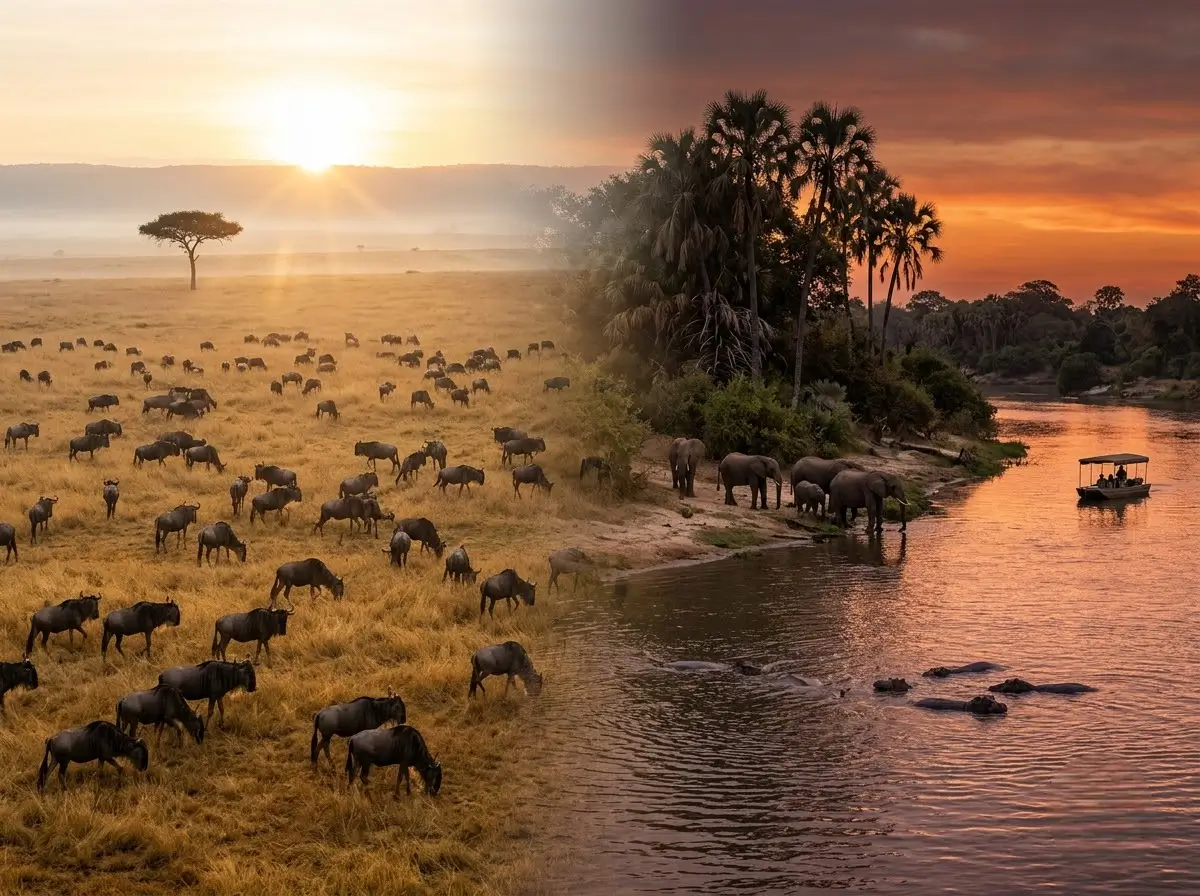
So when you pay park fees, you’re directly helping to keep animals in the Serengeti and the Ngorongoro Crater for the next generation of visitors. For official information on parks and conservation, see the Tanzania National Parks website.
Choose a Local Operator
Where you book makes a real difference. When you book with a Tanzanian-owned operator, more of your money stays in the country, paying local guides, drivers, office staff and suppliers.
- Local guides are paid fairly and earn a living from their knowledge of the land
- Food, fuel and vehicle repairs are bought from local businesses
- Decisions are made by people who live here and care about the long-term health of the parks
- You get first-hand knowledge on the day, not advice from an agent thousands of miles away
Kilimora Adventure was founded in Arusha by Franklin E. Moshi and Diana T. Mungure, and our team is made up of local guides and staff. Every one of our safari tours is run by people who live and work here.
Responsible Wildlife Viewing
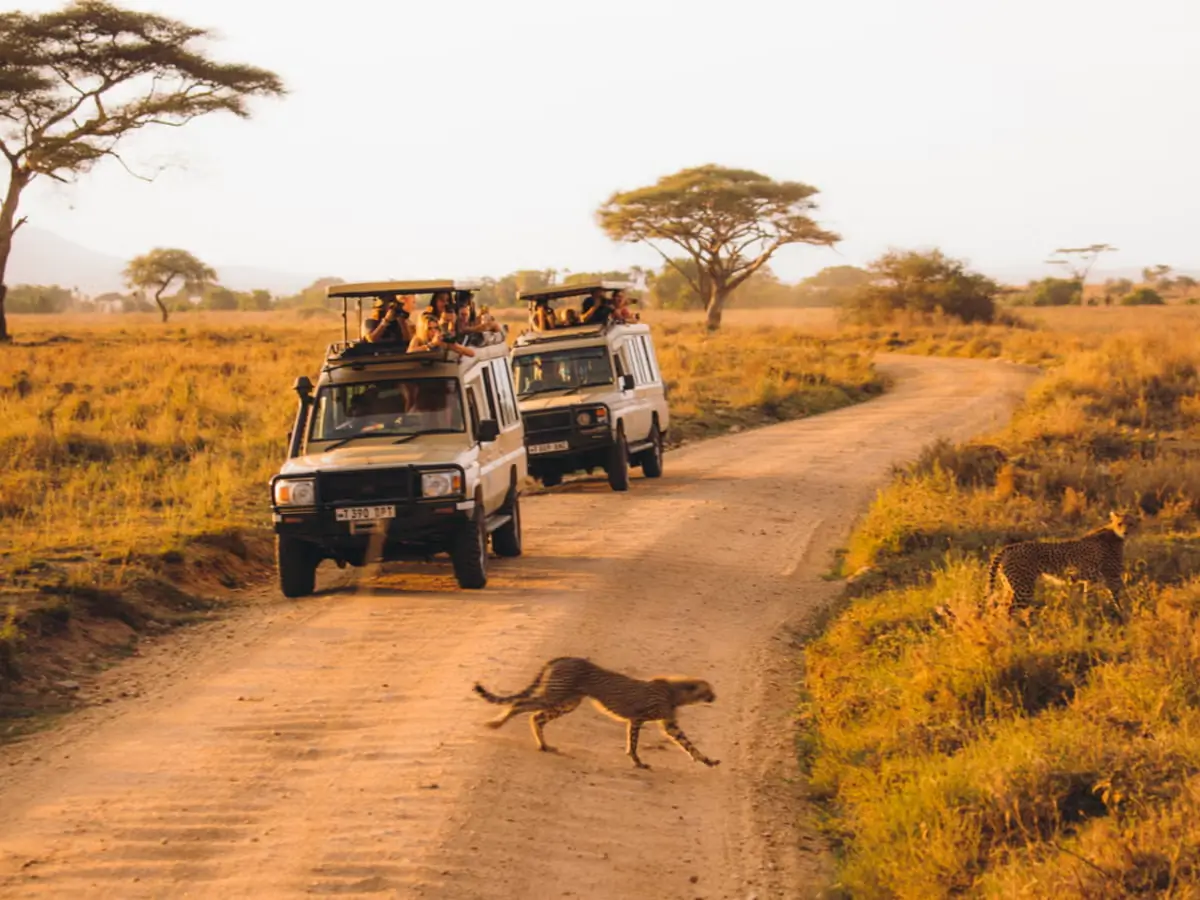
The way vehicles behave around animals matters enormously. A good guide puts the animal’s wellbeing ahead of the perfect photo.
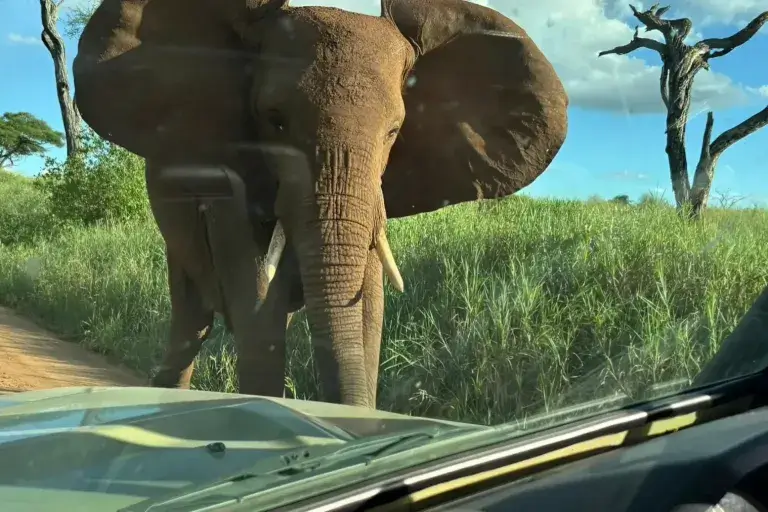
- Keep a respectful distance. If an animal changes its behaviour, you’re too close.
- Stay on the tracks. Off-road driving is banned in most areas because it damages grassland and stresses wildlife.
- Limit crowding. When too many vehicles surround a cheetah, it can lose a hunt. Ask your guide to wait or move on.
- Stay quiet. Turn off music, speak softly and never shout or bang the vehicle.
- Never feed animals. Even monkeys and birds at picnic sites. It harms their health and makes them aggressive.
- No flash at night. Bright lights can blind nocturnal animals and disrupt hunting.
Choosing Eco-Friendly Accommodation
Many camps and lodges in Tanzania now run on solar power, recycle water and source food locally. When comparing places to stay, ask:
- Do they use solar or other renewable energy?
- How do they manage water and waste?
- Do they employ staff from nearby communities?
- Do they support local schools, clinics or conservation projects?
- Have they reduced or banned single-use plastics?
Smaller tented camps often have a lighter footprint than large lodges. Our team is happy to point you towards properties that take sustainability seriously, whether you’re on a budget-friendly tour or a luxury and exclusive safari.
Responsible vs Irresponsible Choices: A Quick Comparison
| Area | Responsible Choice | Choice to Avoid |
|---|---|---|
| Booking | Local, Tanzanian-run operator | Operators with no local staff or partners |
| Game drives | Staying on tracks, keeping distance | Off-road chasing and crowding animals |
| Accommodation | Solar-powered camps with local staff | Places with heavy waste and no community links |
| Shopping | Buying directly from local artisans | Products made from ivory, shells or wildlife parts |
| Cultural visits | Community-run visits, asking before photos | Staged shows with no benefit to locals |
| Plastic | Refillable bottles and cloth bags | Single-use plastics (carrier bags are banned) |
Respecting Local Cultures
Meeting local people is one of the most rewarding parts of a trip to Tanzania. A little awareness goes a long way.
- Ask before taking photos. Some people are happy to be photographed, others aren’t. A small fee is sometimes requested, which is fair.
- Dress modestly in villages and towns. Covering shoulders and knees is respectful, particularly on Zanzibar and in Stone Town.
- Learn a few Swahili words. “Jambo” (hello), “asante” (thank you) and “karibu” (welcome) bring smiles everywhere.
- Choose community-run visits. Maasai village visits work best when the community organises them and keeps the income.
- Don’t hand out sweets or money to children. It encourages begging. If you’d like to help, donate to a school or community project instead.
Our 5-day Africa traditions and wildlife safari includes respectful cultural visits alongside game drives.
Shop Local, Spend Wisely
What you buy can make a real difference to small businesses.
- Buy crafts like beadwork, carvings and fabrics directly from artisans or cooperatives
- Eat at locally owned restaurants in Arusha and Zanzibar
- Haggle fairly, as a small discount means little to you but a lot to the seller
- Never buy ivory, tortoiseshell, coral, seashells or anything made from wildlife. It’s illegal and fuels poaching
- Tip guides and camp staff fairly. Tips make up an important part of their income
Reduce Your Footprint on the Road
- Bring a refillable water bottle. Most camps provide filtered water to refill.
- Leave plastic bags at home. Tanzania banned them in 2019, and they can be confiscated at the airport.
- Save water. Many camps rely on limited supplies. Short showers help.
- Take rubbish home. Batteries and other waste are hard to dispose of in remote areas.
- Stay longer, fly less. One longer trip has a smaller footprint than several short ones. Our 8-day Best of Tanzania safari is a relaxed way to see more in one visit.
- Use reef-safe sunscreen. Especially important if you’re adding a Zanzibar beach stay.
Giving Back the Right Way
Many travellers want to do something extra, which is lovely. The trick is making sure your help actually helps.
- Be wary of orphanage visits. Short visits by tourists can do more harm than good for vulnerable children. Supporting family-based care or schools is a better route.
- Pack for a purpose. If you’d like to bring donations, ask your operator what a local school or clinic actually needs. Often it’s books, stationery or reusable sanitary products rather than toys.
- Give through established projects. Money donated to a registered community or conservation project goes much further than items handed out on the roadside.
- Short-term volunteering: unless you have a specific professional skill, a donation often does more good than a week of unskilled work.
- Share your trip. Honest reviews and recommendations help small, local businesses compete with big international brands.
Visit in the Low Season
Travelling between April and May or in November spreads tourism income across the year, which helps staff keep their jobs in quieter months. You’ll also enjoy fewer vehicles at sightings, lower prices and green landscapes. If you’re interested in the herds, our Great Migration experience page shows what each month offers. For more on parks and tour styles, our guide to safari tours in Tanzania covers it all.
Frequently Asked Questions
Does safari tourism really help wildlife?
Yes. Park fees and tourism jobs give a financial value to wildlife and wild land, which helps fund protection and gives communities a reason to support conservation.
Is it ethical to visit Maasai villages?
It can be, when visits are community-run, respectful and fairly paid. Ask your operator how the village benefits before you go.
How can I give back after my trip?
Support a local school or conservation project, leave honest reviews for local businesses and recommend Tanzanian-run operators to friends.
Travel Well, Leave a Good Footprint
Kilimora Adventure is a locally owned operator based in Usa River, Arusha, running safaris from 2 to 11 days with local guides and staff. Tell us your plans, and we’ll build a trip that’s good for you, the wildlife and the communities you visit.
+255 796 440 555 · +255 762 008 009 · info@kilimoratz.com