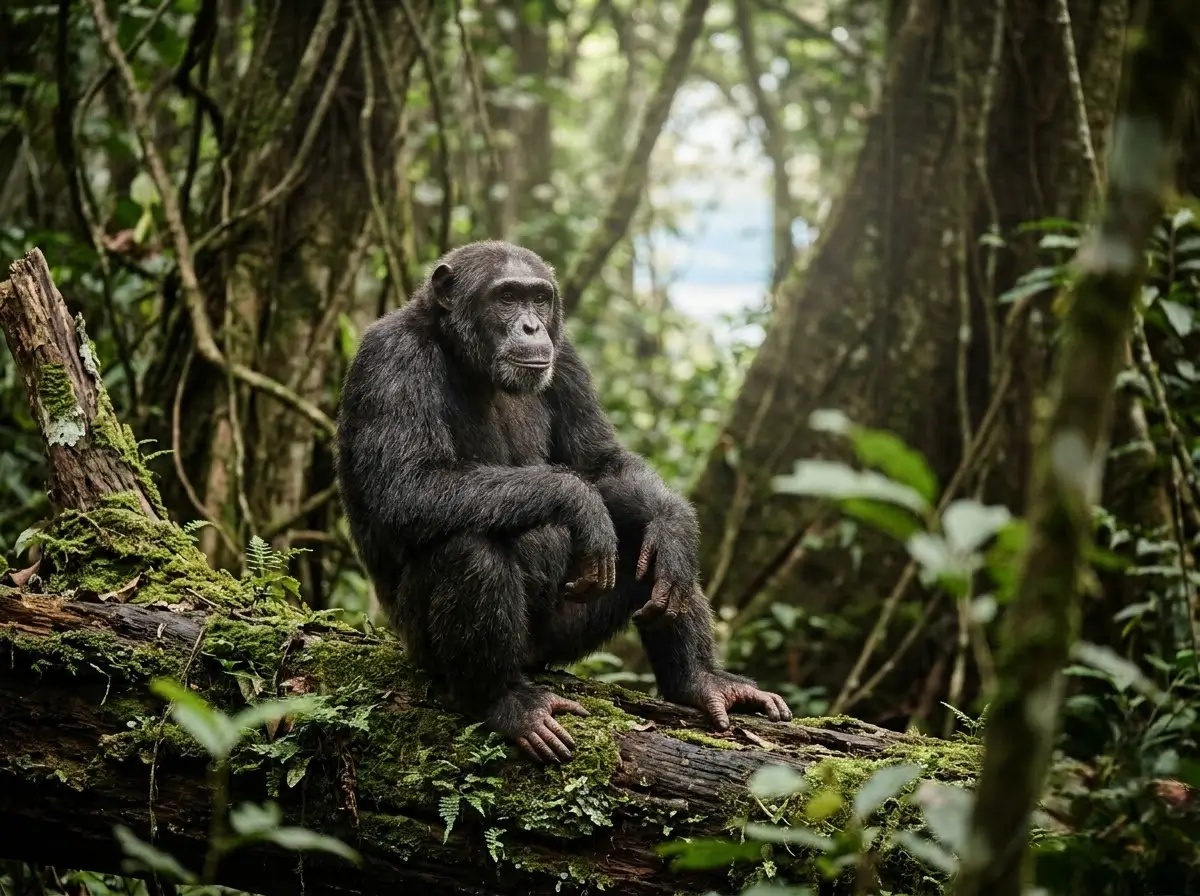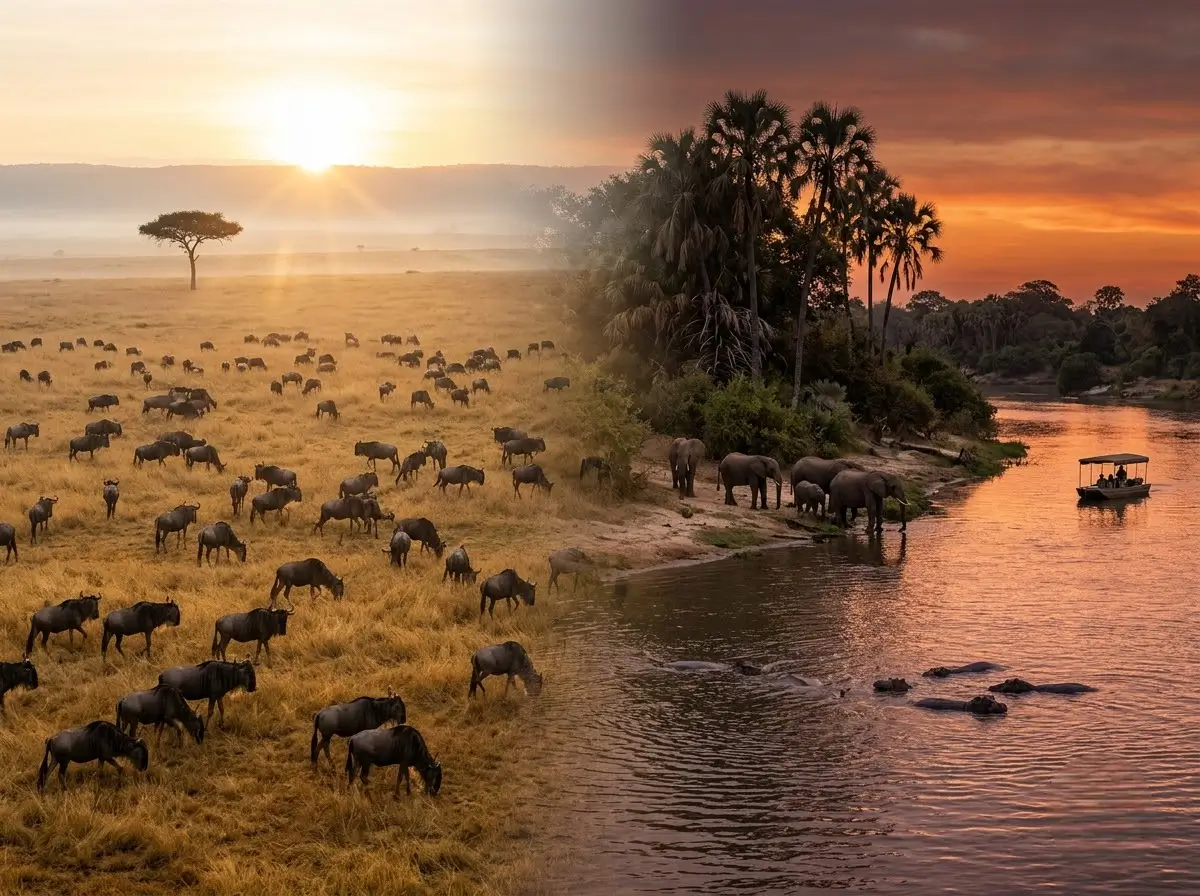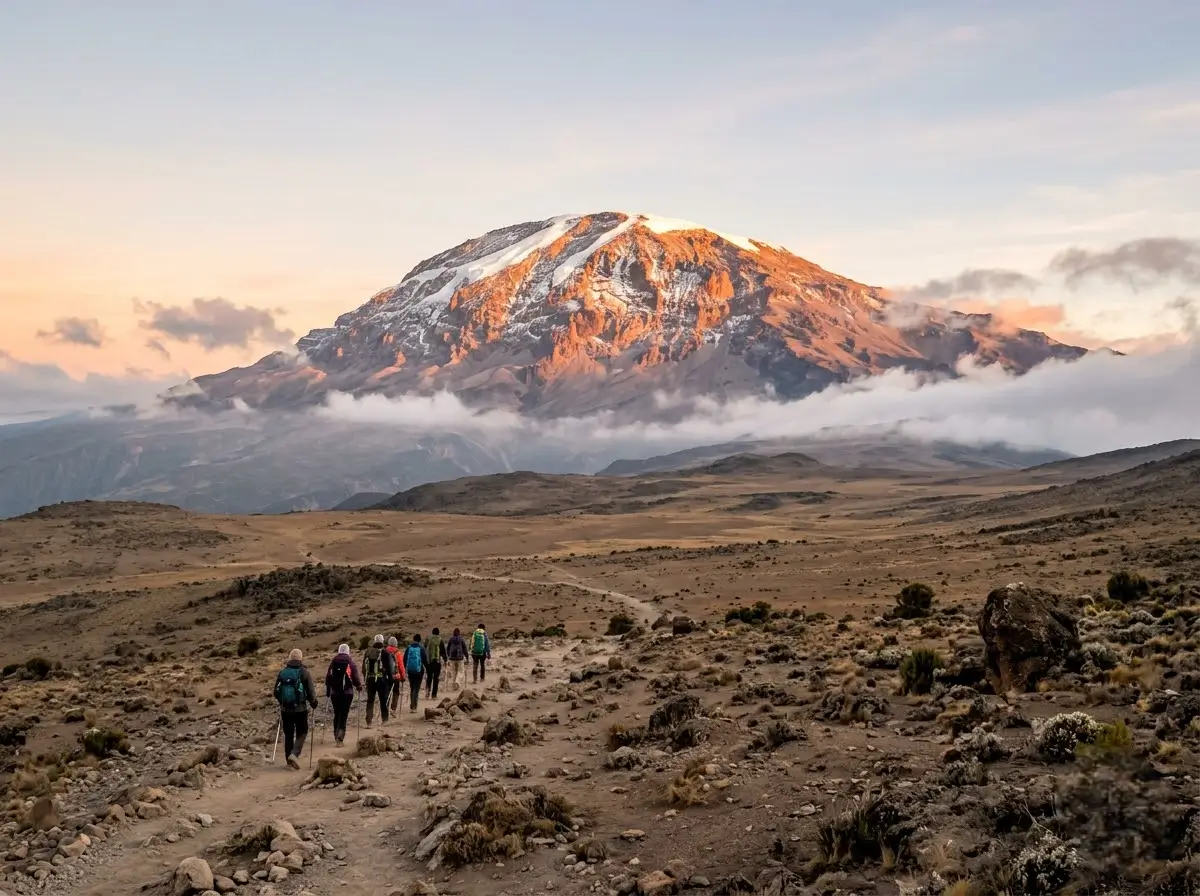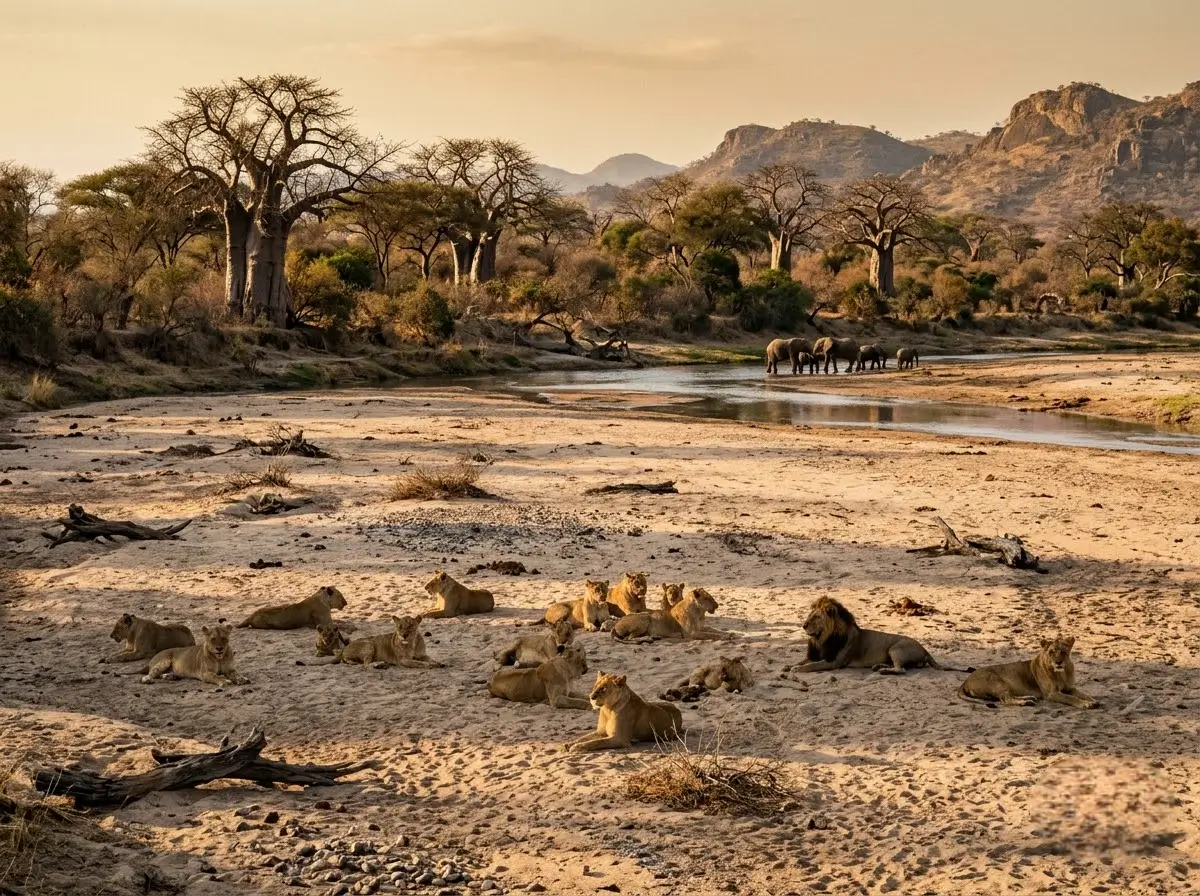
Most people come to Tanzania for lions and the wildebeest migration. A smaller group heads west, to the far edge of the country where Lake Tanganyika marks the border, and spends a morning on foot following wild chimpanzees through the forest. If you’re thinking about chimpanzee trekking in Tanzania, you have two real options: Gombe Stream and Mahale Mountains. Both parks can put you a few metres from a chimp family. They feel quite different once you’re actually there.
This guide covers what the treks are like, how hard they are, how you get in, and which park suits which kind of traveller.
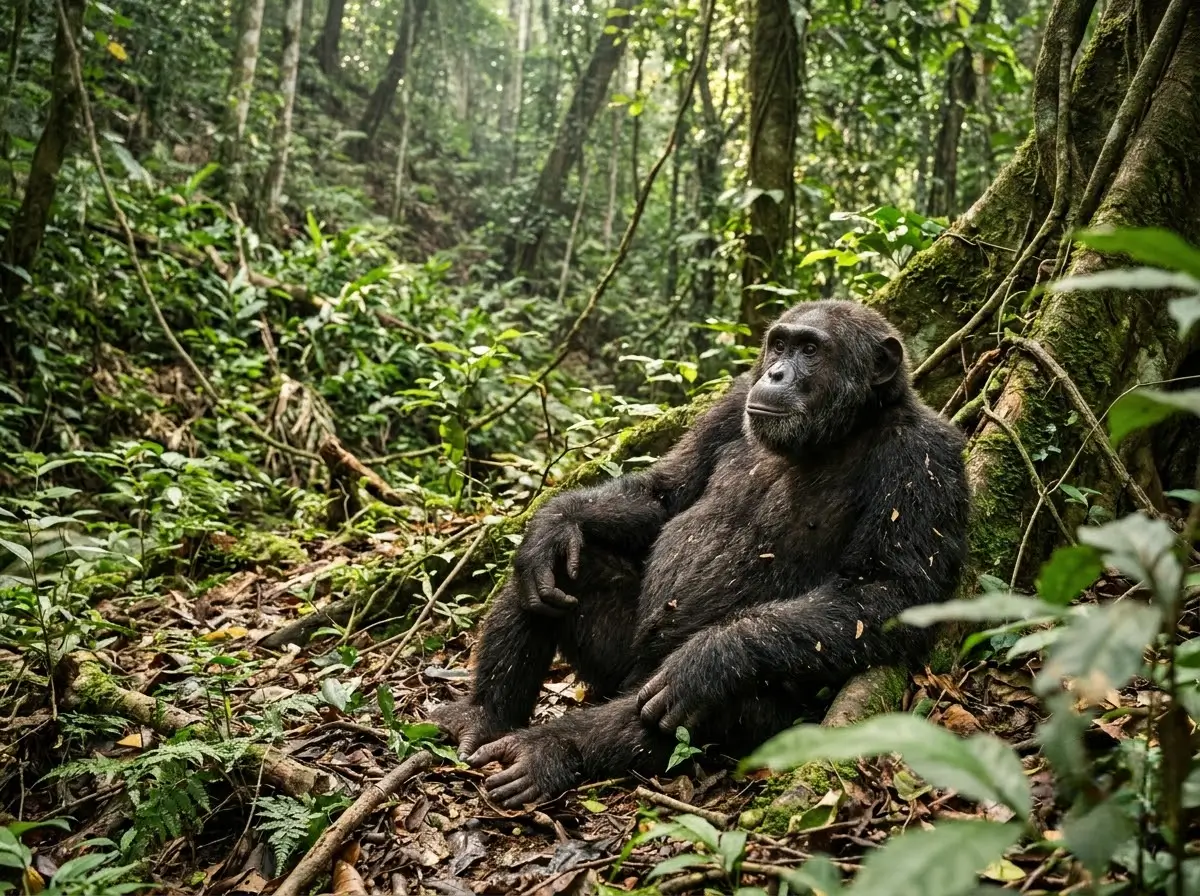
Where Gombe and Mahale Are
Both parks sit on the eastern shore of Lake Tanganyika in western Tanzania, a long way from the northern safari circuit around Arusha. No roads run into either park. You arrive by boat or by small plane, and that remoteness explains a lot about how they feel.
Gombe Stream National Park is tiny, around 35 sq km of steep valleys running down to the lake. Jane Goodall began her chimpanzee research here in 1960, and the study has carried on ever since. It is one of the longest-running studies of any wild animal anywhere.
Mahale Mountains National Park is far bigger, roughly 1,600 sq km, with forested peaks rising almost straight out of the water. Japanese researchers from Kyoto University started work here in the 1960s. The chimp community visitors trek to, known as the M group, has been used to people for decades.
What a Trekking Day at Gombe Is Like
Trackers head out early to find where the chimps slept, then radio their position to your ranger. You set off after breakfast. The trails are steep and can be slippery after rain, but the walk is usually short. Thirty minutes to two hours is typical before you find them.
Then you get one hour with the chimps. You might see grooming, a mother carrying an infant on her back, young males showing off, or a group cracking open fruit in the trees above you. Gombe’s population is small, roughly a hundred chimps across the whole park, so sightings feel personal. Rangers often know each animal by name.
The chimps aren’t the only primates around. Olive baboons wander along the beach near the research centre, and you’ll likely see red colobus, red-tailed and blue monkeys in the canopy. In the afternoon you can walk to Kakombe waterfall or just sit on the shore and watch the fishing boats come in.
What a Trekking Day at Mahale Is Like
Mahale is wilder and less predictable. Some mornings the M group is close to camp and you find them inside an hour. Other days they’re high on the slopes and the trek takes four or five hours through thick forest, with some scrambling. It depends on the season and on where the fruit is.
The payoff is real, though. You’ll rarely share the forest with more than a handful of other visitors, the trees are enormous, and the chimps here can be wonderfully relaxed around people. Afternoons are for the beach. The camps sit on white sand right on the lake, and the water is clear enough to swim in.
Most visitors fly in on a light aircraft and finish the journey by boat. Only a few camps operate inside the park, so Mahale costs more than Gombe and needs booking well ahead in the dry season.
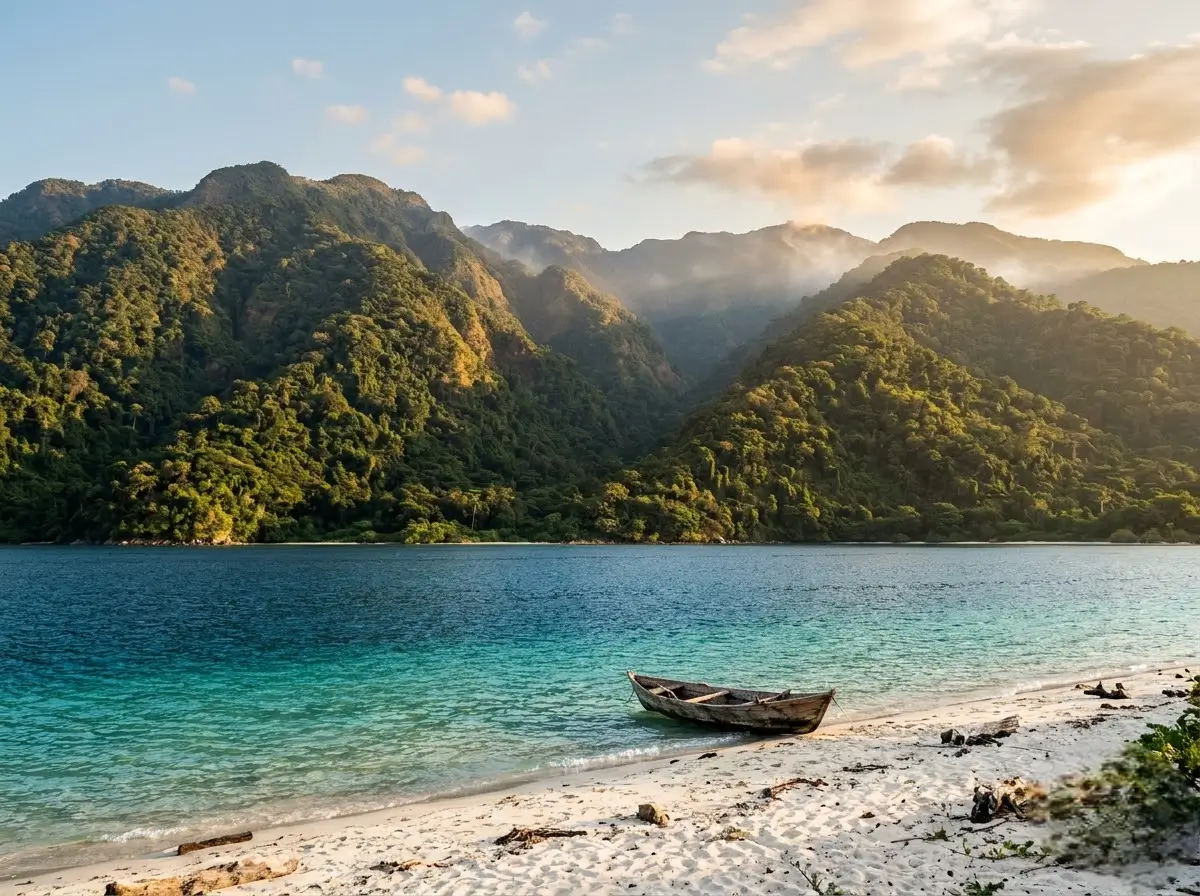
Gombe vs Mahale: Side-by-Side Comparison
| Feature | Gombe Stream National Park | Mahale Mountains National Park |
|---|---|---|
| Park size | About 35 sq km | About 1,600 sq km |
| Getting there | Fly to Kigoma, then around 2 hours by motorboat | Charter flight to the park airstrip, then a boat to camp |
| Typical trek time | 30 minutes to 2 hours | 1 to 5+ hours |
| Terrain | Short, steep valley trails | Mountain forest, longer climbs |
| Chimp community | Kasekela group, studied since 1960 | M group, studied since the 1960s |
| Crowds | Low | Very low |
| Where you stay | Simple lodge, park rest house or tented camp | A small number of beach camps |
| Cost | Lower | Higher |
| Best for | Shorter trips, history fans, tighter budgets | Remote wilderness, longer stays, chimps plus beach time |
Rules on the Trek, and Why They Exist
Chimpanzees share most of our DNA, which means they catch our colds and flu too. A bad respiratory infection can spread through a whole community. So the rules are strict, and rangers enforce them.
- You get one hour with the chimps once you find them.
- Keep the distance your ranger gives you, usually around 8 to 10 metres.
- Wear a face mask when you’re near the chimps.
- Don’t trek if you have a cold, cough or fever. Tell your guide, even if it feels minor.
- No eating, smoking or flash photography near the animals.
- Minimum age limits apply for children, so check the current age rule before you book a family trip.
When to Go
The dry season, from June to October, is the easiest time. Trails are firmer, and in Mahale the chimps often come down to lower slopes from August to October, which can shorten your walk. It’s also the busiest time, though “busy” in western Tanzania still means very few people.
From November to May, the rain makes trails muddy and steep sections harder going. The forest is greener and photos can look great, but expect longer, messier treks. Some Mahale camps close completely during the long rains, roughly March to May. Gombe stays open all year.
What to Pack
- Hiking shoes with good grip, already worn in
- Long trousers and long sleeves in muted colours
- A light rain jacket, even in the dry season
- Thin gloves for grabbing vines and branches on steep slopes
- Insect repellent, a refillable water bottle and a small daypack
- A camera with a fast lens, since the forest floor is dark and flash isn’t allowed
- A few spare face masks
Adding Chimps to a Wider Tanzania Trip
Very few people fly to western Tanzania just for chimps. The usual plan is to pair it with a game-drive safari in the north or a few days on the coast. Allow two nights for Gombe and three or four for Mahale. Flights to the west don’t run every day, so the chimp leg tends to shape the rest of the itinerary rather than the other way round.
If you’re still deciding on the main part of your trip, our Tanzania safari packages are a good starting point. Most of them can be extended west with a couple of extra nights on Lake Tanganyika.
One honest point to finish on: chimp trekking isn’t a sure thing in the way a lion sighting in the Serengeti often is. Chimps move fast and go where they like. Most visitors do find them, and the hour you spend watching a chimp family go about its morning tends to stay with people longer than almost anything else on the trip.
Plan Your Chimpanzee Trekking in Tanzania with Kilimora
Tell us your dates, your budget and how much walking you’re up for. Our team will put together a route that fits Gombe or Mahale around the rest of your Tanzania trip, flights included.