Ask travellers what they remember most about Tanzania and you’ll hear about lions and elephants, of course. But you’ll also hear about the Maasai elder who taught them to throw a rungu, the coffee farmer who roasted beans over an open fire, or the market trader in Stone Town who insisted they try every spice on the stall. Tanzania Cultural Experiences add a human side to your trip that wildlife alone can’t give you. This guide covers the best ways to connect with local communities, where to find them, and how to make sure your visit is respectful and genuinely benefits the people you meet. It’s all based on what our team in Arusha arranges for guests every season.
Tanzania is home to more than 120 ethnic groups, each with its own traditions, language and food. You won’t see them all, but even a single afternoon in a village can change how you see the country.
Visiting a Maasai Community
The Maasai are the community most visitors have heard of. They live across northern Tanzania, often near the parks, and many still keep cattle and live in traditional homesteads called bomas.
- What you’ll see: traditional mud and stick houses, cattle enclosures, beadwork and often the famous jumping dance (adumu).
- What you’ll learn: how families live, the role of cattle in Maasai life, traditional medicine and how young warriors are raised.
- Where: villages near the Ngorongoro Conservation Area, where Maasai communities live alongside wildlife.
Meeting the Hadzabe Hunter-Gatherers
Near Lake Eyasi live the Hadzabe, one of the last hunter-gatherer communities in Africa. A morning with them is unlike anything else you’ll do in Tanzania.
- Join them at dawn as they hunt with bows and arrows, or gather berries and roots
- Learn how they start a fire with sticks in seconds
- Hear their unique click language, which is unrelated to most other languages on Earth
It’s an early start and a fair bit of walking, so wear sturdy shoes. It’s also a reminder of how differently humans can live. Be prepared for honest conversations, as many Hadzabe face pressure on their land and way of life.
The Datoga: Blacksmiths of the Rift Valley
Also around Lake Eyasi, the Datoga are pastoralists known for their metalwork. Visitors can watch blacksmiths turn scrap metal into arrowheads, jewellery and tools using hand-pumped bellows. It pairs naturally with a Hadzabe visit on the same day.

Coffee and Banana Farms on the Slopes of Kilimanjaro
The Chagga people live on the green slopes of Mount Kilimanjaro, where they’ve farmed coffee and bananas for generations. A farm visit is relaxed, tasty and very hands-on.
- Pick, peel, roast and grind coffee beans, then drink the result
- Walk through banana plantations and learn how many different varieties grow there
- Visit waterfalls and old Chagga hiding caves used during past conflicts
- Try traditional banana beer (mbege), if you’re feeling brave
It’s a great half-day before or after a Kilimanjaro climb, or a gentle start to a safari from Arusha.
Mto wa Mbu: A Village of Many Cultures
On the road to Lake Manyara, the busy village of Mto wa Mbu is home to people from dozens of different ethnic groups. A guided walk here gives a lively snapshot of everyday Tanzanian life.
- Cycle or walk through rice paddies and banana plantations
- Visit woodcarvers and painters at work
- Try a home-cooked lunch with a local family
- Browse the market for red bananas, which the village is known for
Swahili Culture on Zanzibar
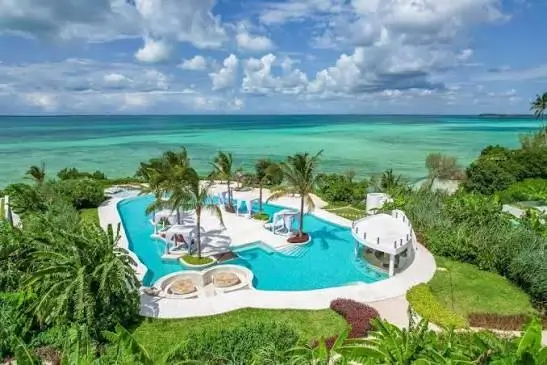
If you’re adding a beach stay, don’t spend the whole time on a sunbed. Zanzibar has a fascinating Swahili culture shaped by centuries of trade between Africa, Arabia, India and Europe.
- Stone Town: wander narrow lanes, carved wooden doors and old merchant houses. The old town is a UNESCO World Heritage Site.
- Spice farms: smell and taste cloves, cinnamon, nutmeg and vanilla straight from the plant.
- Forodhani Gardens: try Zanzibar pizza and grilled seafood at the evening food market.
- Fishing villages: watch dhows head out at sunrise and learn about seaweed farming, largely run by women.
Taste Tanzania Through Its Food
Food is one of the easiest ways into any culture, and Tanzanian cooking is simple, filling and full of flavour. Lodges often serve international menus, so ask your guide to stop somewhere local at least once.
- Ugali: a firm maize porridge eaten with your hands alongside stews and greens. It’s the national staple.
- Nyama choma: grilled meat, usually goat or beef, shared at roadside spots with friends.
- Chipsi mayai: chips cooked into an omelette. Not fancy, but very popular.
- Pilau: spiced rice, especially good on the coast and Zanzibar.
- Chai: sweet, milky tea with ginger or cardamom, drunk throughout the day.
Some community visits include a cooking class, where you help prepare a meal and then sit down to eat it with the family. It’s one of the warmest experiences you can have here.
Cultural Experiences Compared
| Experience | Location | Time Needed | Best For |
|---|---|---|---|
| Maasai village visit | Ngorongoro area | 1 to 2 hours | First-timers and families |
| Hadzabe and Datoga | Lake Eyasi | Half to full day | Curious, active travellers |
| Chagga coffee farm | Kilimanjaro slopes | Half day | Coffee lovers and climbers |
| Mto wa Mbu village walk | Near Lake Manyara | 2 to 4 hours | Anyone on the northern circuit |
| Stone Town and spice tour | Zanzibar | Half to full day | History and food lovers |
How to Be a Respectful Guest
A cultural visit should feel like being welcomed into someone’s home, because often that’s exactly what it is. A few simple habits make all the difference:
- Ask before photographing anyone. Most people will say yes, but always ask first. Some may request a small fee, which is fair.
- Dress modestly. Cover shoulders and knees, especially in villages and on Zanzibar, where most people are Muslim.
- Learn a few Swahili words. “Jambo” (hello), “asante sana” (thank you very much) and “pole pole” (slowly, slowly) go a long way.
- Use your right hand when giving or receiving things, as the left is considered impolite in many communities.
- Don’t hand out sweets or money to children. If you want to help, support a school or community project instead.
- Be curious, not judgemental. Ask questions, listen and remember that “different” doesn’t mean “less”.

Buying Crafts and Souvenirs
Handmade crafts make wonderful souvenirs, and buying directly from makers puts money in the right pockets.
- Maasai beadwork such as necklaces, bracelets and belts, often made by women’s groups
- Makonde wood carvings, famous for their detailed, flowing designs
- Tingatinga paintings, a bright and playful style that started in Dar es Salaam
- Kanga and kitenge fabrics, colourful cloths printed with Swahili sayings
- Spices and coffee from local farms and cooperatives
Haggling is normal at markets, but keep it friendly. Never buy anything made from ivory, shells, coral or other wildlife products.
Adding Culture to Your Safari
Cultural visits fit easily into most itineraries, often as a stop between parks. Some easy ways to include them:
- Add a Maasai village visit on the way to or from the Ngorongoro Crater
- Stop in Mto wa Mbu between Tarangire and Lake Manyara
- Spend a day at Lake Eyasi on a longer northern circuit trip
- Finish with Stone Town and a spice tour on Zanzibar
Our 5-day Africa traditions and wildlife safari combines game drives with cultural visits in one easy trip. For a longer holiday, the 11-day Tanzania and Zanzibar trip covers both the bush and Swahili coast. Travelling with children? Our family safaris include kid-friendly cultural stops. For more on parks and seasons, see our guide to safari tours in Tanzania.
Frequently Asked Questions
Are Maasai village visits authentic?
It depends on the visit. Community-run visits where people still live in the village tend to feel far more genuine than roadside shows. Ask your operator who runs it.
Do I need to speak Swahili?
No. Your guide will translate, and many people speak some English. A few Swahili words are always appreciated, though.
Are cultural experiences suitable for children?
Yes, very. Children often connect with local kids quickly through games and laughter, even without a shared language.
Go Beyond the Game Drive
Kilimora Adventure is a locally owned operator based in Usa River, Arusha. We run safaris from 2 to 11 days and can add respectful, community-run cultural visits to any itinerary. Tell us what interests you, and we’ll plan a trip that connects you with the people as well as the wildlife.
+255 796 440 555 · +255 762 008 009 · info@kilimoratz.com