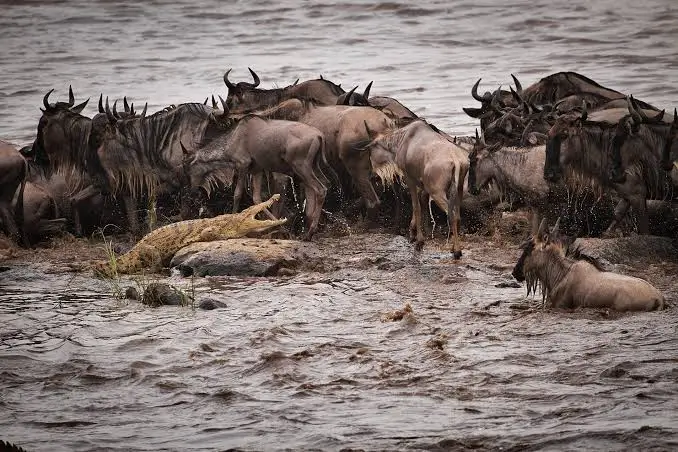
Your first safari raises a lot of questions. How early do you get up? Is it safe? What happens if you need the loo in the middle of the Serengeti? Planning a Tanzania Safari for First-Time Travellers is easier than it looks, but a few things genuinely surprise people, and knowing them upfront makes the whole trip calmer. This guide answers the questions our guides in Arusha hear most from first-timers, from choosing parks and seasons to what a normal day actually looks like.
You don’t need to become an expert before you go. You just need a rough idea of what to expect, a good local operator and realistic plans. The rest tends to sort itself out once you see your first lion.
How a Typical Safari Day Works
Many first-timers picture lazy days by the pool. The reality is a bit more active, and much more rewarding.
- Early start (around 6am): coffee, then out on the first drive while animals are most active and the light is soft.
- Mid-morning: some trips return for breakfast, others carry a packed breakfast and stay out longer.
- Midday: lunch and a rest during the heat, when most animals are snoozing in the shade too.
- Afternoon drive (around 4pm): back out until shortly before sunset, when park gates close.
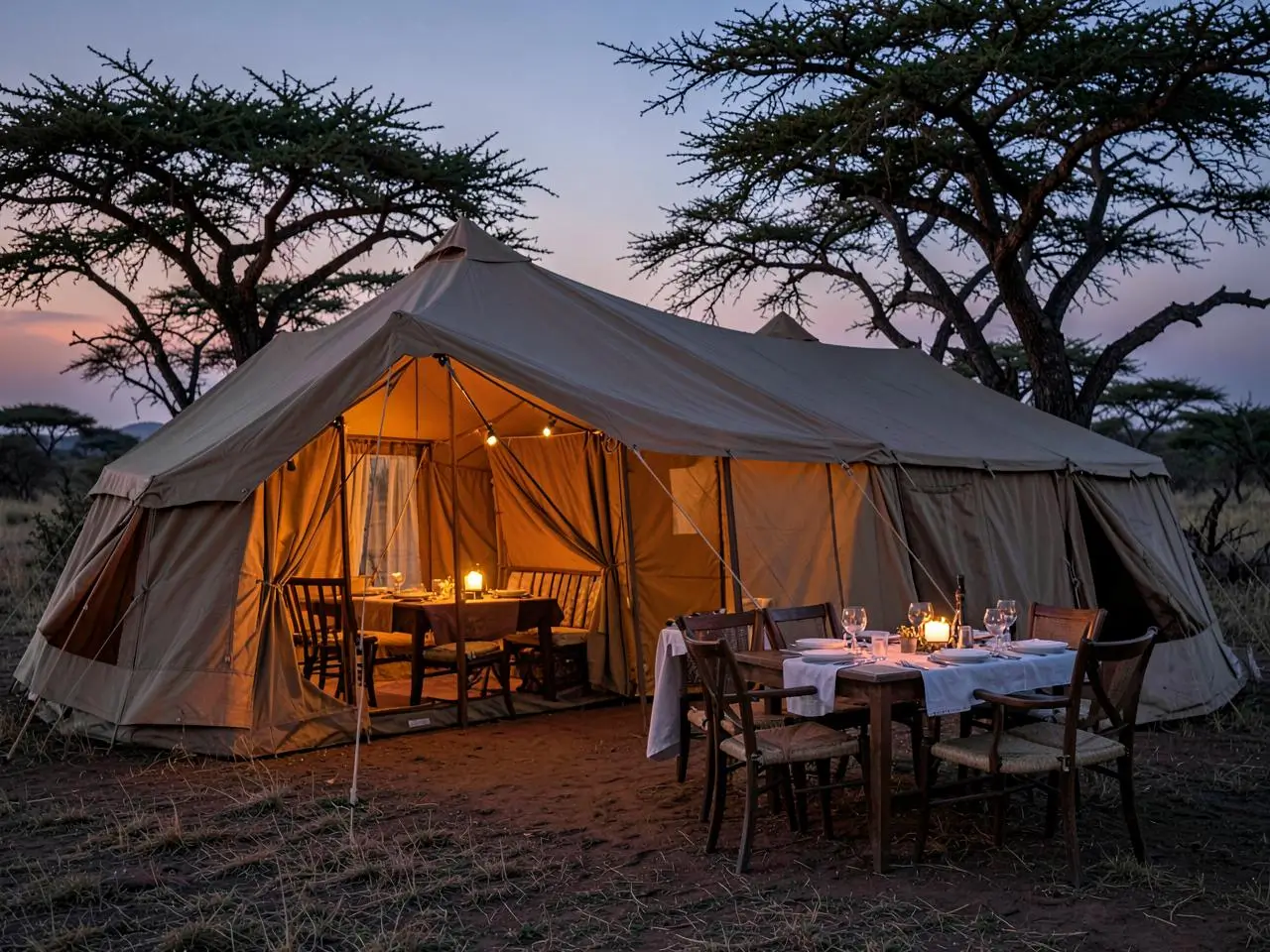
- Evening: dinner, stories round the fire and an early night. You’ll be tired, in the best way.
Choosing Your First Parks
Tanzania’s northern circuit is ideal for first-timers. The parks are well connected from Arusha, wildlife is plentiful and each one offers something different.
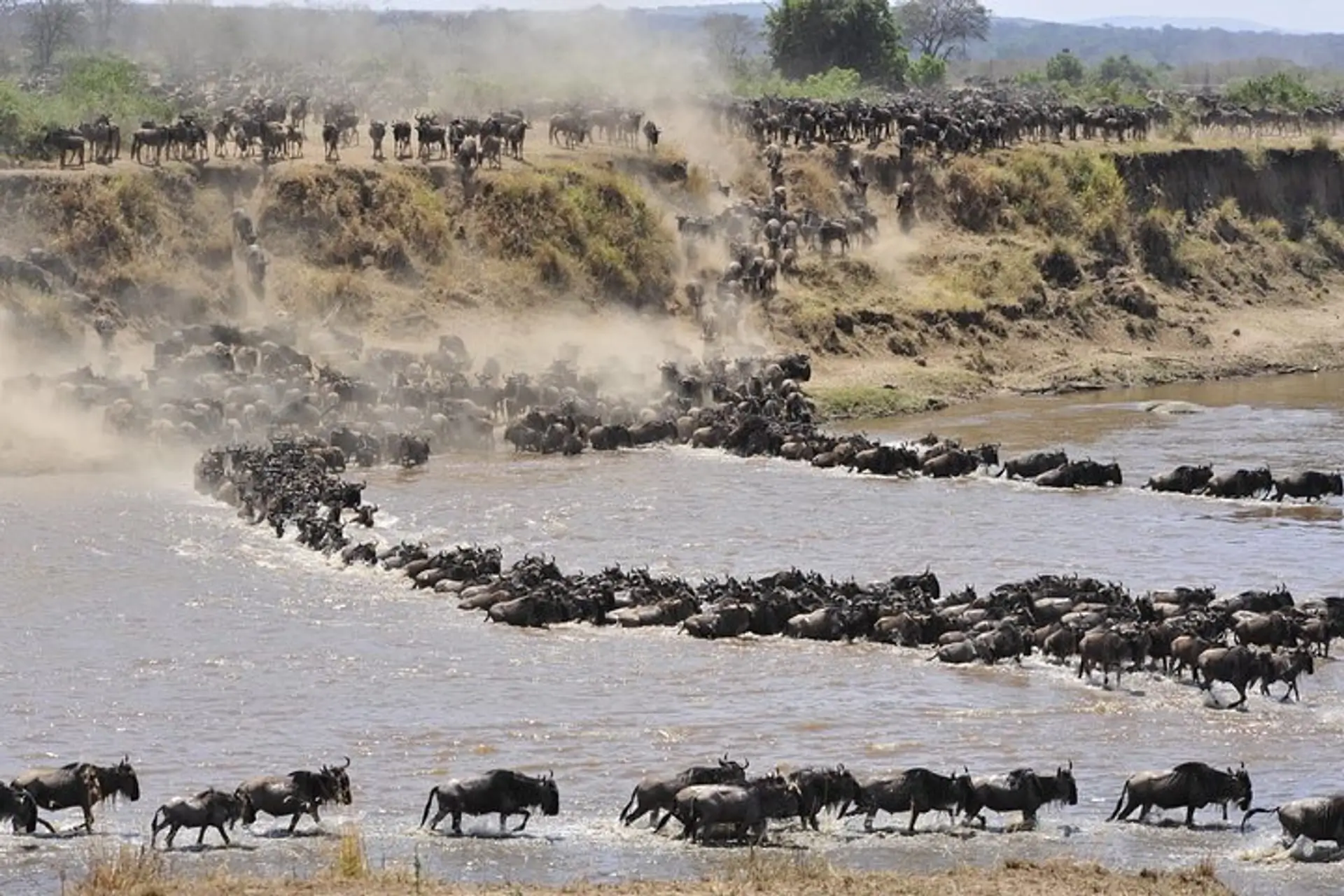
- Serengeti: vast plains, big cats and the Great Migration. The one everyone has heard of.
- Ngorongoro Crater: your best chance of seeing all of the Big Five in a single day, including black rhino.
- Tarangire: huge elephant herds and baobab trees, and fewer vehicles than the Serengeti.
- Lake Manyara: a compact park with flamingos, baboons and the occasional tree-climbing lion.
A combination of two or three parks works best. Trying to see everything in four days usually means too long in the vehicle and too little time actually watching animals.
Picking the Right Safari Style
There’s no single right way to do a first safari. It depends on your budget, comfort level and how much time you have. Here’s a quick comparison:
| Safari Style | Typical Length | Accommodation | Best For |
|---|---|---|---|
| Budget-friendly | 4 to 6 days | Tented camps and simple lodges | Value-focused travellers who want the same wildlife |
| Mid-range classic | 4 to 7 days | Comfortable lodges and permanent tented camps | Most first-timers |
| Luxury and exclusive | 6 to 10 days | Premium lodges, private vehicles | Travellers wanting space, privacy and flexibility |
| Camping | 5 to 7 days | Mobile or public campsites | Adventurous travellers who love being close to nature |
| Safari and beach | 9 to 11 days | Lodges plus a Zanzibar hotel | Honeymooners and anyone wanting a full holiday |
For a first trip, a mid-range itinerary of four to six days is usually the sweet spot. Our 4-day mid-range safari to Manyara, Serengeti and Ngorongoro is a popular place to start.

When to Go
Tanzania offers good wildlife year-round, but the experience changes with the seasons.
- June to October (dry season): the easiest time for first-timers. Animals gather around water, grass is short and spotting is simpler. It’s also the busiest and priciest period.
- January to March: calving season in the southern Serengeti, with lush scenery and lots of predator action.
- April and May (long rains): fewer visitors and lower prices, but some roads get muddy and a few camps close.
- November and December: short rains, green landscapes and good value.
If seeing the herds is on your list, the Great Migration experience page explains where they are each month.
Visas, Health and Paperwork
The admin is straightforward, but don’t leave it to the last minute.
- Passport: valid for at least six months, with blank pages.
- Visa: most nationalities need one. Apply online through the official Tanzania e-visa portal a few weeks before travel.
- Vaccinations: see a travel clinic six to eight weeks ahead. Yellow fever proof is needed if you’re arriving from a risk country.
- Malaria: Tanzania is a malaria area, so ask your doctor about antimalarial tablets.
- Insurance: make sure it includes medical evacuation from remote areas.
Before you book flights, check the latest entry and safety information on the UK government’s Tanzania travel advice page.
Money, Tipping and Budget
Park fees make up a large part of any Tanzania safari cost, which is why prices can look higher than in some other countries. That money funds conservation and the rangers who protect the wildlife.
- US dollars are widely accepted. Bring clean notes printed after 2009, as older or torn notes are often refused
- Cards work at most lodges, sometimes with a surcharge, but carry cash for tips and small purchases
- Tipping is customary. Plan for your guide and camp staff, and ask your operator for current guidelines
- Check exactly what’s included. Our tours include park fees, guide, vehicle, accommodation and listed meals
- Set aside a little extra for optional activities such as a cultural village visit, a balloon flight over the Serengeti or souvenirs from local craft markets in Arusha
Safari Etiquette Every First-Timer Should Know
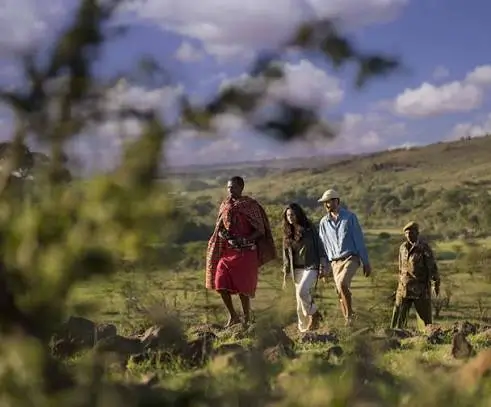
- Stay inside the vehicle unless your guide says it’s safe to get out
- Keep your voice down near animals and never try to attract their attention
- Don’t ask your guide to drive off-road where it’s not permitted, as heavy fines apply
- Ask before photographing local people
- Take all rubbish with you. Plastic carrier bags are banned in Tanzania

What to Pack for Your First Safari
Pack light, in soft bags, and stick to neutral colours like khaki, olive and beige. The essentials:
- Layers, including a fleece for chilly mornings
- A wide-brimmed hat, sunglasses and high-factor sunscreen
- Insect repellent and any medication
- Binoculars, honestly the most underrated item on any safari
- A camera with a zoom lens, spare batteries and memory cards
- A power bank and a plug adaptor
If photography matters to you, a photographic safari gives you more time at each sighting.
Common Mistakes First-Timers Make
Most first safaris go brilliantly. The ones that feel a bit flat usually come down to a few avoidable slip-ups:
- Cramming in too many parks. Five parks in five days sounds exciting on paper, but in practice it means long, dusty transfers and little time at sightings.
- Only chasing the Big Five. Some of the best moments come from smaller things, like a dung beetle rolling its ball or a family of mongooses peering out of a termite mound.
- Booking too late. Good camps and peak-season dates (July to October) sell out months in advance.
- Packing hard suitcases. They’re awkward in safari vehicles and aren’t allowed on light aircraft. Use soft bags.
- Skipping the early drives. The dawn drive is often the best of the day. It’s worth the alarm.
- Not talking to the guide. Tell them what you most want to see. They’ll plan routes around it.
Why Booking Locally Helps First-Timers
When something goes wrong (a flat tyre, a delayed flight, a sudden change of plan), it helps to have the people running your trip right there in Tanzania. A local operator can answer questions quickly, adjust plans on the day and match you with guides who know the parks well. More of your money also stays in the local economy. You can read more about our team on the About Kilimora page, or browse our guide to safari tours in Tanzania for more detail on parks and formats.
Frequently Asked Questions
How many days do I need for a first Tanzania safari?
Four to six days is ideal. It’s enough to visit two or three parks properly without spending all day in the vehicle.
Is Tanzania safe for first-time safari travellers?
Yes. Tanzania is one of Africa’s most popular safari countries, and with an experienced guide and sensible precautions, first-timers travel safely every year.
Will I definitely see the Big Five?
Nothing is guaranteed with wild animals, but the Ngorongoro Crater gives you an excellent chance. Our Big Five safari is built around those sightings.
Ready for Your First Safari?
Kilimora Adventure is based in Usa River, Arusha, and runs safaris from 2 to 11 days across Tanzania’s best parks. Tell us your dates, budget and what you’d love to see, and we’ll suggest an itinerary that’s right for a first trip and answer every question along the way.
+255 796 440 555 · +255 762 008 009 · info@kilimoratz.com